

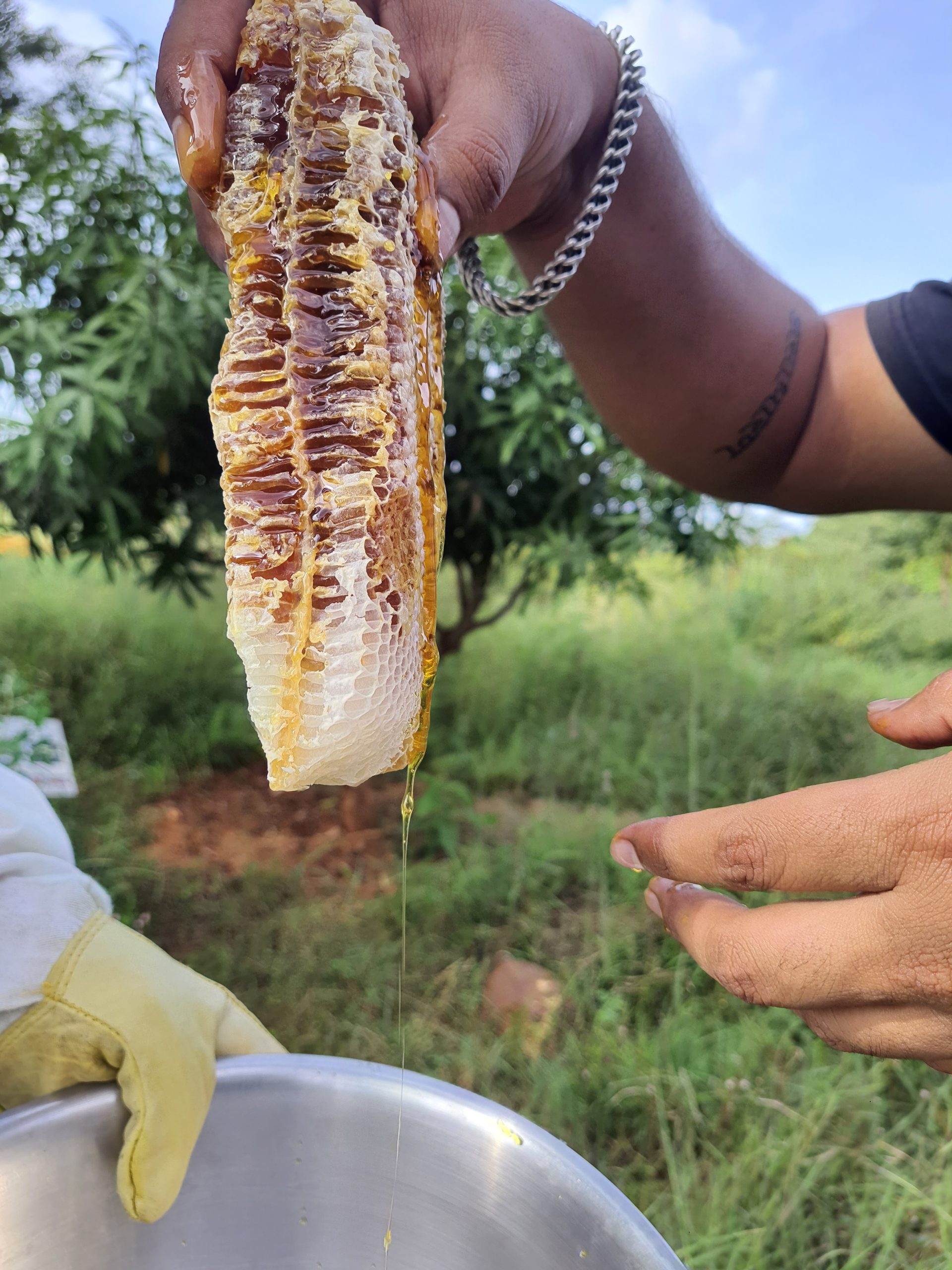
Honey for Skin: Does Eating It or Applying It Work Better?
Honey is everywhere in skincare marketing. Face masks, serums, cleansers — and the claims range from “deep hydration” to “rosacea treatment” to “heals acne overnight.” Meanwhile, wellness influencers are spooning it into their morning routines and claiming skin benefits from the inside out. The honest answer to which approach works: topical wins, but not for every claim, and eating it isn’t useless.
Here’s what the research actually shows.
Key Takeaways
– Topical honey has legitimate evidence for wound healing, moisturisation, and treating certain skin conditions — particularly medical-grade manuka honey for wound care and kanuka honey for rosacea.
– Honey’s topical benefits come from specific local mechanisms: its natural hydrogen peroxide content, osmotic effect, and low pH create an environment hostile to bacteria and supportive of tissue repair.
– Eating honey for skin has almost no direct clinical evidence. It provides antioxidants and has a lower glycaemic index than refined sugar, but the systemic effects don’t translate directly to skin outcomes.
– If you’re going to choose one, apply it. If you’re going to eat it, use raw honey in small amounts — and not as a substitute for better-evidenced dietary choices.
What Honey Actually Contains
Honey is mostly sugars (fructose and glucose), but it also contains hydrogen peroxide, methylglyoxal (in manuka honey specifically), gluconic acid, flavonoids, polyphenols, and trace minerals. The composition varies enormously by honey type: raw honey retains far more of the bioactive compounds than processed or heated honey. Manuka and kanuka honeys from New Zealand have distinct antibacterial compounds not found in ordinary honey.
The Case for Applying It
Topical honey has a solid evidence base in wound care and a growing one in dermatology.
Wound healing. Medical-grade honey (usually manuka) is used clinically for wound management. A 2025 review in Health Science Reports documented honey’s antibacterial, anti-biofilm, and tissue-regeneration mechanisms in wound care. The mechanisms are clear: hydrogen peroxide and methylglyoxal inhibit bacteria, the osmotic effect draws fluid out of the wound, and the acidic pH creates conditions that support healing.
Rosacea. A 2024 review in the International Journal of Dermatology noted that kanuka honey specifically has documented efficacy as a topical treatment for rosacea — anti-inflammatory and antimicrobial properties make it a legitimate option.
Moisturisation. Honey is a humectant: it draws moisture from the environment into the skin. A clinical study of a honey-oil emulsion (published in PMC, 2024) found measurable improvements in skin moisture, elasticity, and softness.
Acne. Honey’s antibacterial activity against Cutibacterium acnes (the bacteria involved in acne) is documented, but clinical trials comparing topical honey to standard acne treatments are limited. It’s not a replacement for proven acne treatments; it may be a useful supplementary option for mild cases.
Where topical honey works, it works because of direct local contact. The active compounds interact with skin tissue, bacteria, and the wound environment. That mechanism doesn’t carry over when you eat it.
The Case for Eating It
The internal evidence is much thinner.
Honey contains antioxidants — mainly flavonoids and phenolic acids — that have anti-inflammatory properties in the body. Raw honey has a moderate glycaemic index (around 55–60, compared to 65–70 for white sugar), so it causes a smaller blood sugar spike than refined sugar for the same sweetness level. There’s some evidence it supports immune function and has antimicrobial properties in the gut.
But direct evidence linking dietary honey consumption to improved skin outcomes is essentially absent. The systemic antioxidant and anti-inflammatory effects from a tablespoon of honey daily are real but modest — the same argument applies to berries, green tea, and most whole foods that contain polyphenols. None of them have strong clinical data for skin either.
Curology’s review of the evidence is blunt: when it comes to skin benefits specifically from eating honey, the research doesn’t exist.
How to Use It Topically
If you want to try honey on your skin, a few practical points:
Use raw or medical-grade honey. Processed honey has had heat applied and many of the active compounds degraded. Manuka honey (UMF 10+ or higher) has the strongest evidence base for medicinal use. Raw unprocessed honey is the better choice for a face mask.
For a face mask: Apply a thin layer of raw honey to clean, dry skin. Leave for 15 to 20 minutes. Rinse with warm water. The humectant effect is real; your skin will feel softer. This is a low-risk, reasonably evidence-based option for adding moisture.
For wound care: Medical-grade manuka honey products are available over the counter. For minor cuts or skin infections, they’re a legitimate alternative to standard antiseptics.
Don’t apply and eat simultaneously. There’s no evidence that combining internal and external honey use enhances either set of effects.
The Bottom Line
Topical honey — particularly raw honey for moisture and manuka honey for skin conditions — has real evidence behind it. The mechanism is local, the compounds responsible are documented, and clinical studies support specific applications.
Eating honey has modest general health benefits but no meaningful direct evidence for skin. If you enjoy it in your diet, raw honey in small amounts is a reasonable choice, and it’s a better option than refined sugar. But if your goal is specifically skin improvement, your dietary priority should be the established skin-supportive foods: omega-3 fatty acids, vitamin C from whole foods, collagen cofactors, and fibre for gut health. Honey is a distant add-on by comparison.
Apply it if you want the skin benefits. Eat it if you enjoy it — just don’t count on it transforming your complexion.