

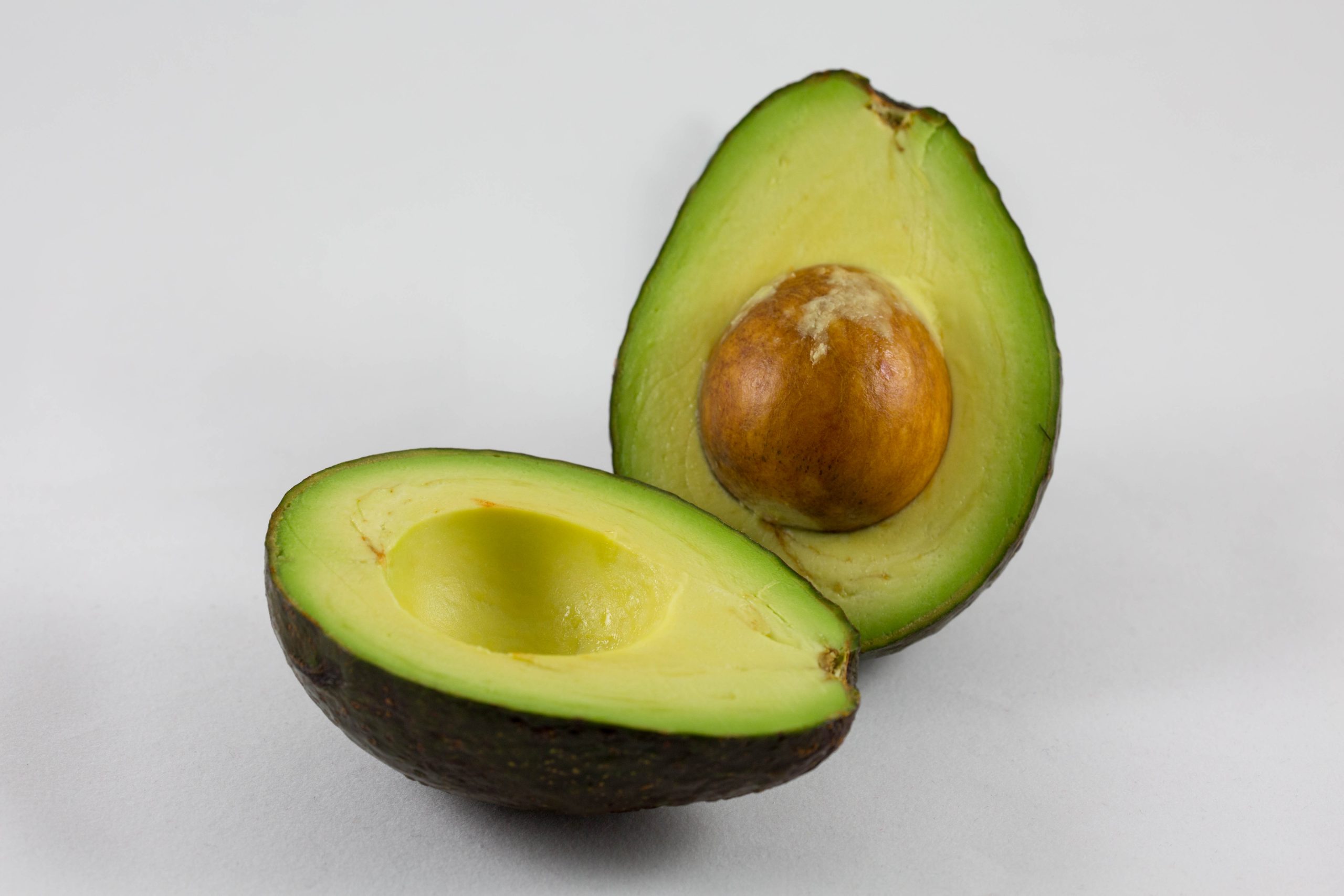
Avocado: Why Eating It Beats Putting It on Your Face
The avocado face mask is a wellness staple. Mash it up, spread it on, leave it for 20 minutes. It feels nice. But the case for eating avocado for your skin is actually stronger than the case for applying it — and there’s a clinical study to back that up.
Key Takeaways
– A pilot clinical study (published in the Journal of Cosmetic Dermatology, 2022) found that eating one avocado daily for 8 weeks significantly increased skin elasticity and firmness compared to a control group.
– Avocado’s carotenoids (lutein, zeaxanthin, beta-carotene) accumulate in skin tissue when eaten and provide UV protection from within — something a face mask cannot replicate.
– The oleic acid in avocado supports collagen synthesis and skin barrier function through systemic absorption. Topical application delivers some oleic acid to the skin surface, but dietary intake delivers it to the entire body.
– Topical avocado isn’t useless — as a temporary moisturiser, it works — but the evidence for eating it is more meaningful and more durable.
What Happens When You Eat It
Avocado is nutritionally unusual: it’s high in monounsaturated fat (primarily oleic acid), contains a meaningful amount of fibre, and is one of the richest sources of carotenoids in the plant kingdom. All three of these have documented relevance to skin health.
The clinical evidence. A randomised pilot study published in the Journal of Cosmetic Dermatology (2022) assigned 39 women (aged 27–73) to eat one avocado daily or continue their habitual diet for 8 weeks. The daily-avocado group showed significant increases in skin elasticity and firmness compared to the control. The researchers noted that carotenoid bioavailability, oleic acid intake, and collagen gene expression were the likely mechanisms. This was the first clinical study specifically testing oral avocado consumption on skin ageing parameters.
Carotenoids accumulate in skin. Lutein, zeaxanthin, and beta-carotene — all found in avocado — are fat-soluble and when eaten alongside dietary fat (which avocado naturally provides), they’re absorbed and deposited in skin tissue. Once there, they act as endogenous antioxidants, absorbing UV light and neutralising free radicals. This is a built-in protection mechanism you can’t replicate by rubbing avocado on your face. A mask doesn’t get carotenoids into your skin cells.
Oleic acid and collagen. Oleic acid (the dominant fatty acid in avocado) supports the integrity of cell membranes throughout the body, including in the dermis. In vitro research has found that it can induce elastin and collagen gene expression. When you eat it, it’s available systemically — to your face, your neck, your hands, all of it. A topical application treats only the surface.
Vitamin E. Avocado is one of the better whole food sources of vitamin E (around 2mg per half fruit). Vitamin E protects against lipid peroxidation in cell membranes — basically, it prevents the structural fats in your skin from oxidising. Again, dietary vitamin E provides continuous systemic protection that a topical application can’t match in duration.
What a Face Mask Actually Does
Applying mashed avocado to your face works as a temporary moisturiser. The oils coat the skin surface, reduce transepidermal water loss, and leave skin feeling softer. The effect lasts until you wash your face.
Some of the fatty acids can penetrate the uppermost layers of the stratum corneum, which may provide a mild barrier benefit. But the carotenoids don’t penetrate to the dermis from topical application; the vitamin E doesn’t provide the same sustained antioxidant protection as dietary intake.
It’s also messy, wasteful, and — once you’ve eaten avocado regularly for eight weeks — demonstrably less effective than just eating it.
If you enjoy the mask, it’s fine. But it’s a spa ritual, not a skincare treatment.
How to Eat It for Skin Benefits
The clinical study used one whole avocado daily. That’s about 240 calories and 22g of fat, which is substantial. For most people, half an avocado daily is a realistic target, and based on the nutrient content, still delivers meaningful amounts of oleic acid, carotenoids, and vitamin E.
Practical daily uses: – Half an avocado on wholegrain toast with lemon and salt – Sliced on a salad with olive oil — the fat in both helps absorb carotenoids from the salad greens too – Blended into a smoothie with spinach and kefir – As the base of a sauce or dressing in place of mayonnaise
One note: avocado’s skin benefits work best as part of a diet that also includes vitamin C (for collagen synthesis), omega-3s (for anti-inflammatory support), and fibre (for gut-skin axis support). No single food does everything.
The Bottom Line
If you had to choose between putting avocado on your face and eating it, eat it. The clinical evidence is for dietary consumption. The carotenoid mechanism — which is the most compelling skin-specific mechanism — only works through digestion and systemic absorption. And a daily half-avocado is both enjoyable and easy to maintain.
The face mask is pleasant. It’s not doing what eating one does.