

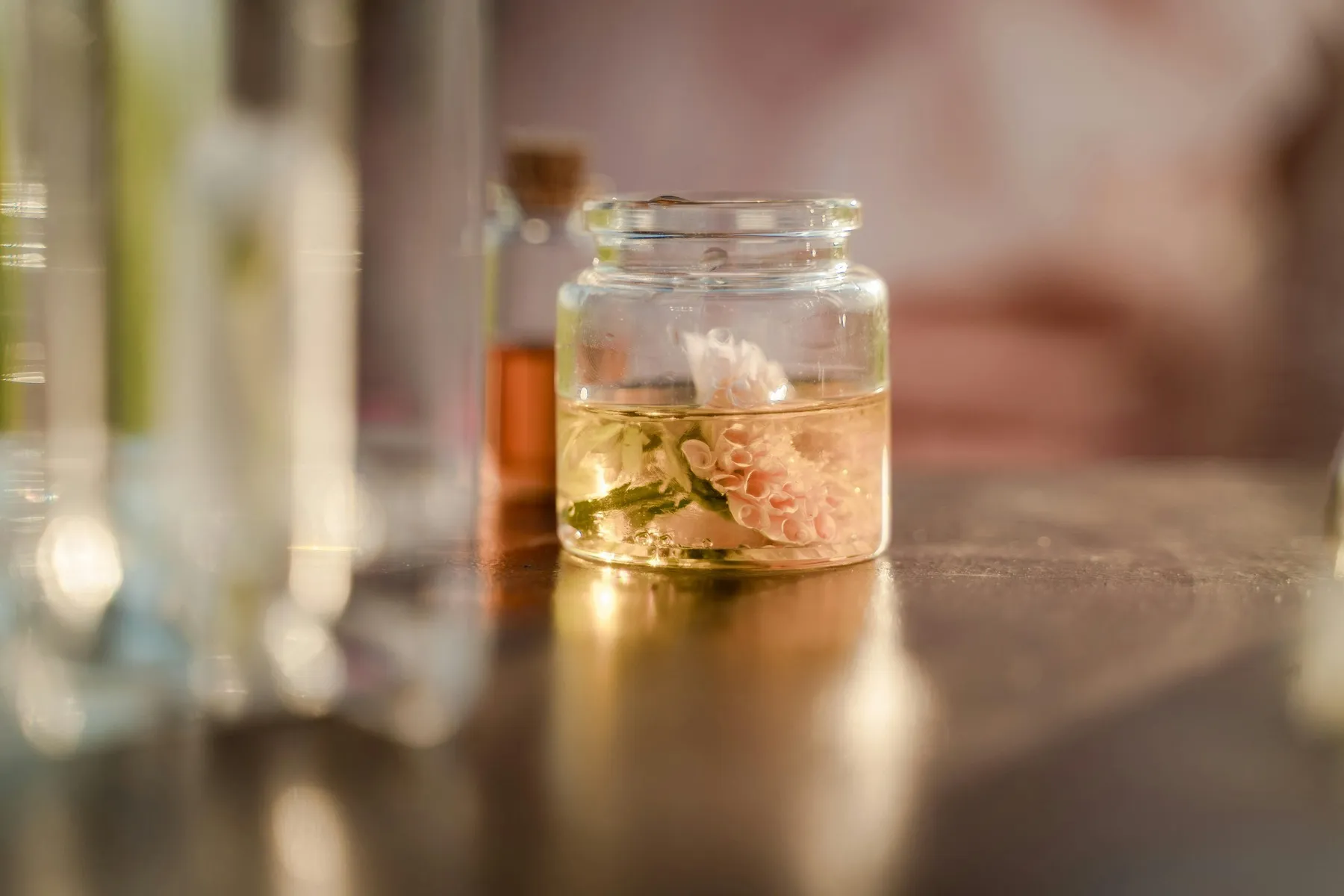
You made a beautiful batch of rose water. It smells incredible. You used it twice, popped it in the fridge, and two weeks later you’re squinting at it thinking, “Is this still good?”
If that sounds familiar, you’re not alone. Preserving homemade rose water is the part nobody talks about, and it’s the reason a lot of people end up throwing out what took them half an hour to make. Let’s fix that.
Key Takeaways
- Plain homemade rose water lasts 1-4 weeks in the fridge without any preservative
- A few drops of vitamin E oil or vegetable glycerin can extend shelf life and add extra skin benefits
- Witch hazel or food-grade alcohol work well for batches used only on skin
- Freezing rose water in ice cube trays is the longest-lasting storage method
- Always store in glass, never plastic
Why Homemade Rose Water Goes Off Faster Than Store-Bought
Commercial rose water stays shelf-stable for months, sometimes years, because it’s either been properly distilled (removing most of the organic matter that causes spoilage) or it contains preservatives. Homemade rose water made by the simple stovetop method still has microscopic organic material in it. That, combined with the moisture-rich environment, creates ideal conditions for bacterial and mould growth over time.
This isn’t a reason not to make it at home. It’s just a reason to store it well. The difference between a batch that lasts two weeks and one that lasts two months comes down to a few simple choices.
The Fridge Is Your Starting Point
Always refrigerate homemade rose water, and do it immediately once it’s cooled. Room temperature rose water, especially in a warm kitchen, can start to turn within days. A clean glass jar or bottle with a tight lid in the coldest part of your fridge is the baseline.
Glass matters here. Plastic containers are slightly porous and can harbour bacteria more easily. They can also leach into the rose water over time, particularly if you’re planning to use it on your skin. A small mason jar or a repurposed glass spray bottle is ideal.
Kept refrigerated in a clean glass container with no additives, plain rose water typically lasts 1-4 weeks. The wide range comes down to how well your petals were cleaned, how sanitary your equipment was, and how often you’re opening the jar.
How to Extend the Shelf Life Naturally
If you want your rose water to last longer without adding chemicals, there are a few gentle options depending on what you plan to use it for.
For skincare rose water: Add 1 teaspoon of vitamin E oil per cup of rose water. Vitamin E is a fat-soluble antioxidant that slows oxidation and also happens to be lovely for your skin. Healthline’s overview of rose water benefits notes that rose water already contains antioxidant compounds, so you’re stacking those benefits while also extending shelf life. This method gets you to around 6-8 weeks in the fridge.
Vegetable glycerin is another option. Add about half a teaspoon per cup. It’s a natural humectant, meaning it draws moisture to the skin, and it acts as a mild preservative. Your rose water will be slightly thicker but still sprayable.
For skincare only (not cooking): A tablespoon of witch hazel per cup of rose water is effective and mild. Witch hazel has its own skin-calming properties and acts as a preservative here. This extends shelf life to 6-8 weeks. Just don’t use this version in food or your hair.
The Freezer Method (Best for Large Batches)
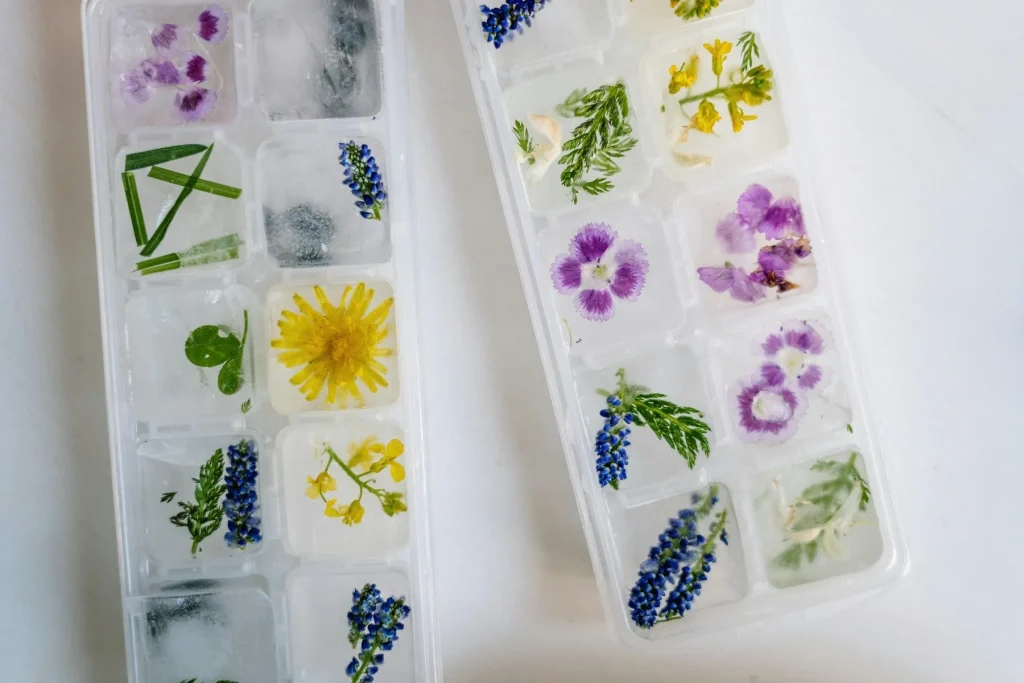
If you’ve made a big batch, or if you want to always have fresh rose water on hand without making it constantly, freeze it. Pour your cooled, plain rose water into ice cube trays and freeze solid. Transfer the cubes into a sealed freezer bag and label them with the date. They’ll keep for up to six months.
When you need rose water, pop a cube into a small bowl and let it thaw at room temperature. Use it the same day for best results. This is particularly smart for cooking uses, where you only need a teaspoon at a time anyway.
Signs Your Rose Water Has Gone Off
You’ll know before you have to question it. Spoiled rose water smells wrong, more sour or musty than floral. It may also turn visibly cloudy or develop small floating particles. If you see any of that, trust your instincts and make a fresh batch. Applying off rose water to your skin can cause irritation, and cooking with it isn’t worth the risk.
One prevention tip worth repeating: never pour directly from the bottle. Use a clean spoon or dropper to dispense, and never touch the opening with your fingers. Cross-contamination is the most common reason homemade rose water spoils faster than it should.
Quick Reference: Storage Options at a Glance
Plain rose water in the fridge: 1-4 weeks. Rose water with vitamin E or glycerin: 6-8 weeks. Rose water with witch hazel (skincare only): 6-8 weeks. Rose water frozen in ice cubes: up to 6 months.
Pick the method that fits how you use it. If you’re going through a bottle every two weeks anyway, plain refrigerated is completely fine. If you make big batches and use them slowly, either add a natural preservative or use the freezer.
Either way, label the bottle. Future you will thank you.
This article is part of our rose water series. Start with How to Make Rose Water at Home, or check out how to use it for skin, hair, and cooking.