

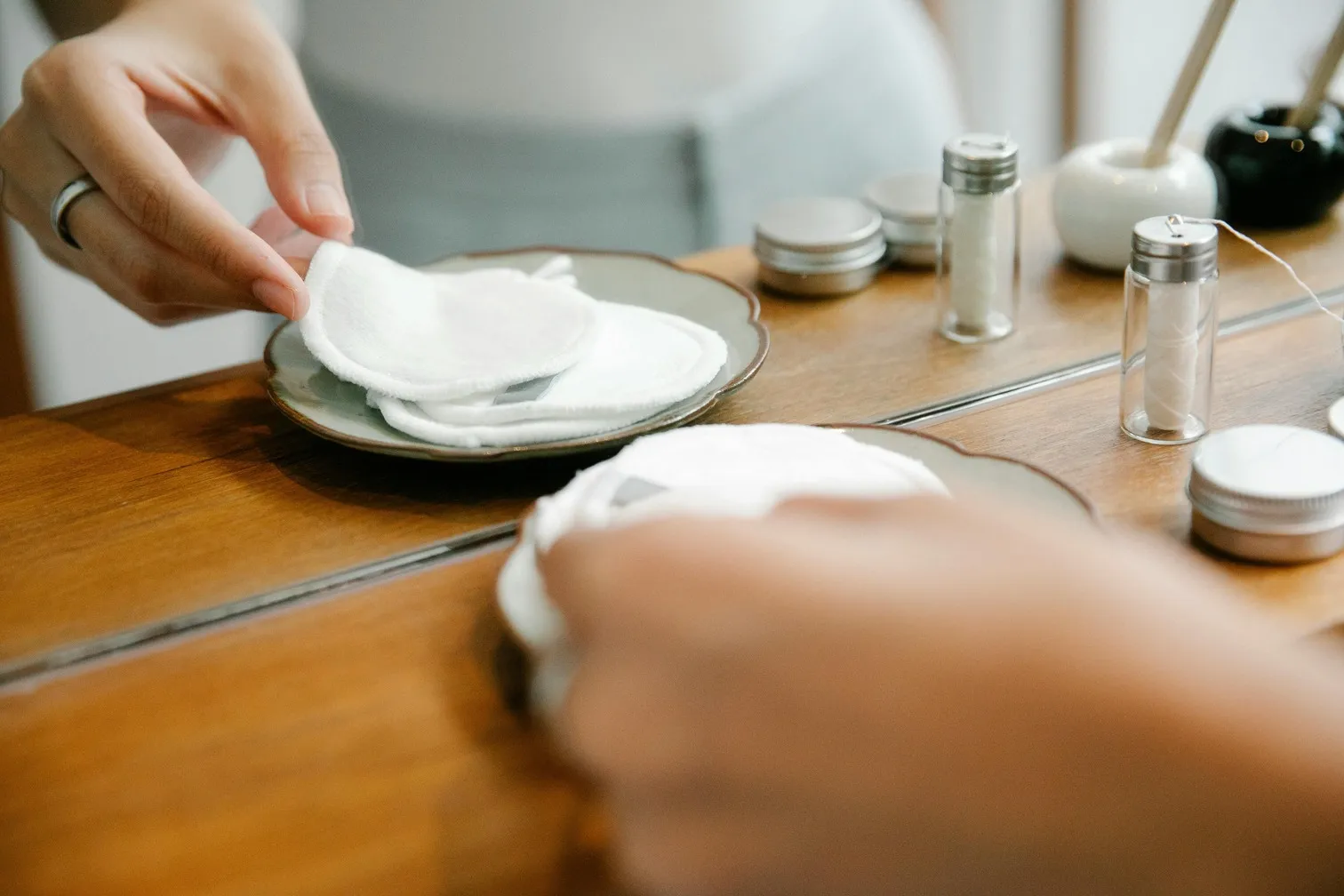
Oily skin is one of those things that makes you feel like you can’t win. You strip it back with harsh products and it overproduces oil to compensate. You try to moisturize it and suddenly you’re a glazed donut by noon. What you actually need is something that calms the whole system down instead of fighting it.
Rose water does that. And it does it without the drama.
Key Takeaways
- Rose water’s natural pH (around 5.5) helps regulate the skin’s acid mantle, which is key for oily skin
- Its mild astringent properties help tighten pores and reduce shine without stripping moisture
- Anti-inflammatory compounds in rose water can reduce redness and breakout-related irritation
- Use it as a toner after cleansing, or as a midday mist to refresh and mattify
- Always choose alcohol-free rose water for oily skin
Why Oily Skin Loves Rose Water (Even If It Sounds Counterintuitive)
The logic here is simple once you understand what’s actually going wrong with oily skin. Most of the time, excess oil is a response, not the root problem. When your skin barrier is disrupted, when the surface is too alkaline or too stripped, your sebaceous glands ramp up oil production to compensate. Fighting that with more stripping products creates a feedback loop.
Rose water gently nudges your skin back toward balance. Its natural pH sits around 5.0-5.5, very close to the skin’s own slightly acidic surface. Using it after cleansing, especially with alkaline soaps or cleansers, helps restore that balance rather than perpetuating the cycle.
Research highlighted by Medical News Today notes that rose water has mild astringent properties, meaning it can temporarily tighten the appearance of pores and reduce excess oil without aggressively stripping the skin. That’s a much gentler approach than the alcohol-based toners oily skin types have been using for decades.
What Rose Water Actually Does to Oily Skin
Let’s be specific, because “balancing” is one of those words that gets thrown around in skincare without much explanation.
It acts as a gentle toner. After you cleanse, your skin’s pH can be thrown off. Rose water helps restore it. This alone can reduce how much oil your skin produces in response, particularly if you’ve been using a cleanser that’s too stripping.
It soothes inflammation. Oily skin is often prone to breakouts, and breakouts mean inflammation. A 2018 study referenced by Healthline found that rose water applied to skin may have an anti-inflammatory effect. Less inflammation means less redness, less irritation, and a calmer overall complexion.
It minimizes the look of pores. It won’t shrink your pores permanently because nothing does, regardless of what any product claims. But rose water’s mild astringency can make them appear smaller and less visible, especially when used consistently.
It hydrates without clogging. This is the thing oily skin people are usually afraid of. Rose water is water-based and non-comedogenic, meaning it won’t block your pores. You get hydration without the greasy aftermath.
How to Use It in Your Routine
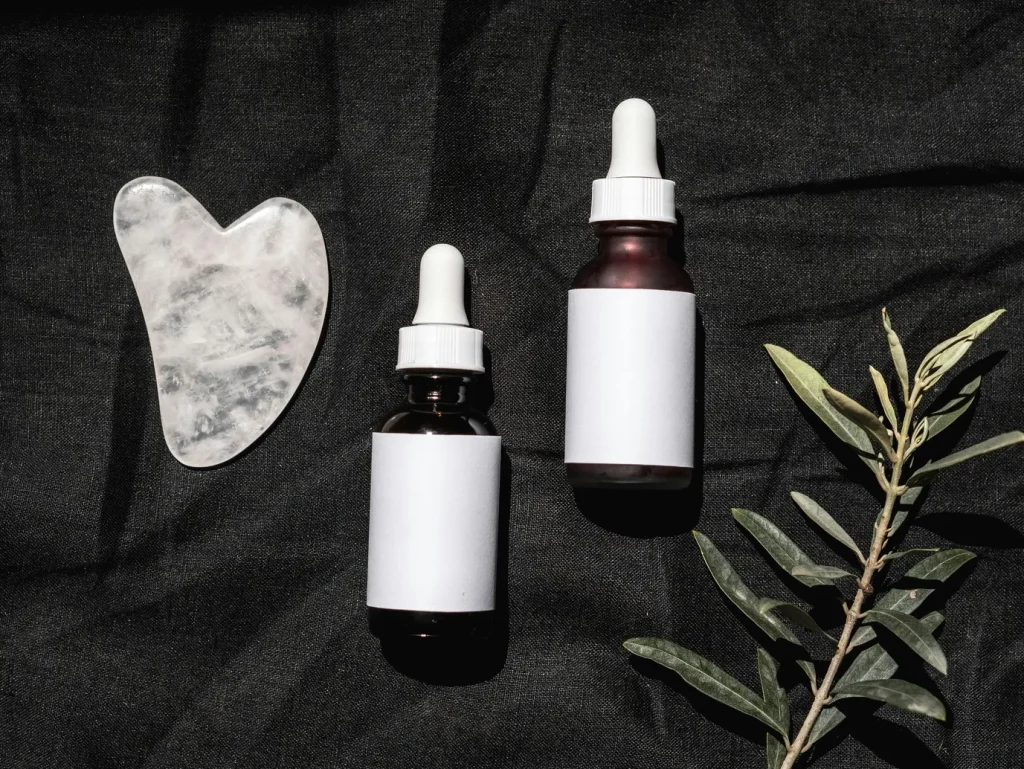
There’s no complicated system here. Rose water works best when it’s kept simple.
As a toner (daily): After cleansing and while your face is still slightly damp, soak a cotton pad with rose water and sweep it gently across your face. Let it dry naturally. Then follow with moisturizer. Yes, oily skin still needs moisturizer. A lightweight, non-comedogenic one.
As a midday refresh: Pour rose water into a small spray bottle and keep it in your bag. A light mist in the afternoon sets makeup, reduces shine, and gives your skin a quick hit of calm. It’s one of those genuinely useful skincare tips that doesn’t require buying anything extra.
As a mask base: Mix rose water with a teaspoon of bentonite or kaolin clay for a simple pore-minimizing mask. Apply, leave on for 10 minutes, rinse. The clay does the heavy lifting while the rose water keeps the mixture gentle enough for regular use.
As a spot treatment aid: Dab rose water directly onto active breakouts with a clean cotton bud. Its mild antibacterial properties, noted in research compiled by National Geographic’s science team, make it a reasonable first step for mild breakout irritation.
What to Watch Out For
Not all rose water is created equal, and this matters a lot for oily skin.
Avoid rose water that contains alcohol. Many commercial toners labeled as “rose water” are really just alcohol-based products with a rose fragrance. Alcohol will dehydrate your skin and trigger more oil production. Check the ingredient list. If denatured alcohol or ethanol appears near the top, skip it.
Also watch out for added synthetic fragrances. Even if the product contains real rose water, artificial fragrance compounds can irritate sensitive or acne-prone skin. Look for products with short, recognizable ingredient lists, or better yet, use rose water you’ve made yourself at home.
One more thing: patch test. Even natural, gentle ingredients can cause reactions in some people. Apply a small amount to the inside of your wrist for a couple of days before putting it all over your face.
The Honest Truth About What It Can’t Do
Rose water is genuinely useful for oily skin. It’s not a miracle worker. If your oiliness is hormonal or genetic, rose water will help manage symptoms but won’t address the cause. For persistent, severe oiliness or acne, a dermatologist is still your best resource.
What rose water will do is make your routine calmer, simpler, and gentler. For skin that’s already been through the rounds of harsh treatments, that’s often exactly what it needs.
Part of our rose water series. See also: How to Make Rose Water at Home, How to Preserve Homemade Rose Water, and Rose Water for Hair.