

There’s a reason so many people try rose water in cooking once and then leave the bottle in the back of the cupboard for six months. They used too much. And when you use too much, it doesn’t taste floral and elegant. It tastes like you accidentally poured potpourri into your cake batter.
Rose water is one of the most ancient culinary flavorings in existence, used in Persian, Middle Eastern, Indian, and European kitchens for over a thousand years. It’s delicate, versatile, and genuinely beautiful when handled with a light hand. The key is understanding that it’s a perfume for food, not an ingredient you measure by the cup.
Key Takeaways
- Start with ¼ teaspoon at a time and taste as you go. More is almost never right.
- Heat reduces rose water’s potency, so add more to no-heat recipes and less to baked goods
- Use food-grade or culinary rose water only, not skincare versions
- It pairs beautifully with cardamom, vanilla, honey, citrus, pistachios, and stone fruits
- A single bottle opens up Persian, Indian, Middle Eastern, and French pastry traditions
A Little History That’s Actually Relevant
Rose water didn’t start as a baking ingredient. According to the Brooklyn Botanic Garden, the Persians were likely the first to use it in cooking, infusing mutton fat with it to season food and using it in some of the earliest recorded recipes for confections like marzipan. From Persia it traveled into Arab cuisine, then into India (gulab jamun, lassi, peda), then into the Ottoman Empire (Turkish delight), and eventually into European patisserie.
Wikipedia’s rose water history notes that commercial rose water production today is still dominated by Iran, which supplies around 90% of global demand. The annual Golabgiri festival in central Iran celebrates the spring rose harvest each year. This isn’t a trendy ingredient. It’s one of the most traveled flavors in human culinary history.
Understanding that history matters because it tells you how to use it. In every cuisine where rose water is traditional, it plays a supporting role. It lifts and perfumes. It doesn’t dominate.
The One Rule That Solves Most Problems
Heat evaporates rose water’s delicate aroma compounds. So if you’re adding it to something that will be baked or cooked, you need more than you would for a cold preparation, and even then, more is rarely better.
For no-heat preparations like whipped cream or a cold posset, add ¼ teaspoon at a time, mix, and taste. For baked goods, the flavor will fade, so you can go slightly higher. But always taste first.
A good starting framework:
- Cold preparations (whipped cream, possets, drinks, frostings): start with ¼ tsp, taste, add in ¼ tsp increments
- Baked goods (cakes, cookies, shortbread): start with ½ tsp per recipe, taste the batter or dough
- Syrups and glazes: start with 1 tsp per cup of liquid, taste after cooling since heat alters the perception of rose flavor
What Rose Water Actually Pairs Well With
Rose water isn’t just for sweets, though that’s where most Western cooks encounter it. Here’s where it genuinely shines:
Sweet pairings: Cardamom is the classic partner. The two have been used together for centuries in Indian and Middle Eastern desserts, and they balance each other beautifully. Vanilla is another natural companion. Honey amplifies rose water’s floral quality without competing with it. Pistachios and almonds are traditional matches. Stone fruits like apricots and cherries work particularly well.
Unexpected savory uses: Rose water can soften and round off intense savory spices like saffron, and it adds a subtle high note to roasted nut and honey preparations. A few drops in a lamb marinade or a yogurt sauce is not outlandish. It’s traditional in Persian cooking.
Drinks: This is an underused area. A small splash in lemonade transforms it. Rose water in sparkling water with a squeeze of lime is genuinely lovely. A few drops in a gin cocktail is worth trying. The floral note plays beautifully against botanical spirits.
A Quick Guide to Common Rose Water Recipes
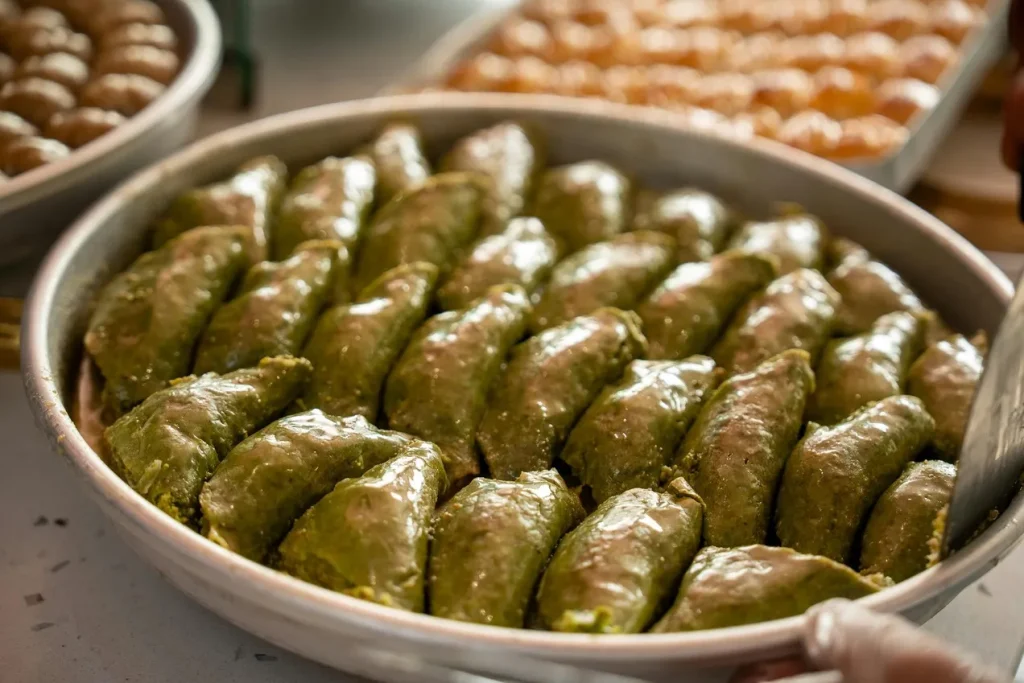
Baklava: Most traditional recipes call for 1-2 teaspoons in the sugar syrup, along with orange blossom water. Don’t skip it if you want the authentic flavor.
Rice pudding (Persian style): A teaspoon stirred in at the end of cooking, off the heat, gives it that distinctive floral finish.
Shortbread: Half a teaspoon in the dough adds something subtle and elegant. Works especially well with a little cardamom and rose petal sugar on top.
Rose lemonade: One tablespoon per liter of fresh lemonade. Taste and adjust. The citrus balances the floral perfectly.
Whipped cream: A quarter teaspoon per cup of cream, along with a little vanilla. Serve with fresh strawberries or raspberries for a combination that needs no further explanation.
One Thing to Check Before You Buy
Make sure you’re buying food-grade or culinary rose water, not skincare rose water. They’re often made the same way, but skincare versions occasionally contain added ingredients like glycerin, vitamin E, or synthetic fragrance that are fine on your face and terrible in your cake.
The bottle should say “food grade” or “culinary grade,” or list only two ingredients: rose petals and water. Many Middle Eastern grocery stores stock high-quality culinary rose water at a fraction of the price of specialty food shops. Brands like Cortas are widely trusted.
Or just make your own. If you’re using pesticide-free petals and distilled water, your homemade rose water is already food safe and probably fresher than anything on the shelf.
Part of our rose water series. Start with How to Make Rose Water at Home or see our guides on using it for oily skin and hair.