

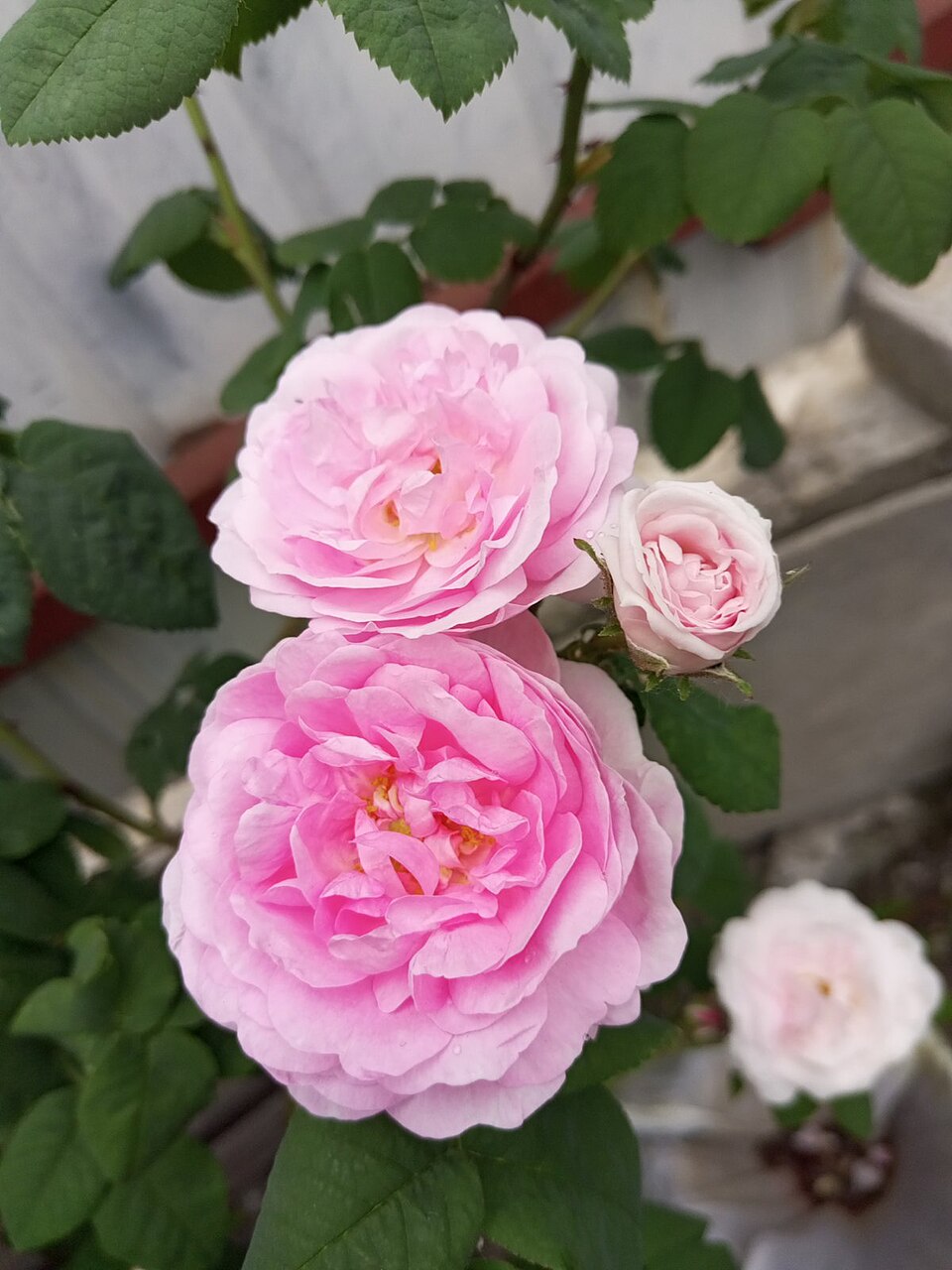
Rose water has been doing the same job for over a thousand years. It started in 10th-century Persia as a by-product of rose oil distillation, and it never really stopped being useful. Cooks use it. Skincare routines rely on it. Hair care guides recommend it. That kind of staying power usually means something is actually working.
This guide covers everything in one place: what rose water is, what it genuinely does (and what the evidence is still catching up on), how to use it on your skin, in your cooking, and in your hair, and how to make it at home if you want the best version of it.
Key Takeaways
– Rose water is made by steam-distilling rose petals, primarily from Rosa damascena. The quality of the petals and method matters enormously.
– It has documented anti-inflammatory and antioxidant properties, supported by peer-reviewed research, though most studies are still small-scale.
– It works in the kitchen, the bathroom, and on your hair, which makes it one of the most genuinely versatile ingredients you can keep in your pantry.
– Homemade rose water from fresh petals is generally more potent than store-bought, but it has a much shorter shelf life (around 1 week refrigerated vs. up to 6 months for commercial versions).
– The research on rose water is promising but not exhaustive. It can soothe, tone, and add flavour. It won’t cure acne or reverse ageing on its own.
What Rose Water Actually Is
Rose water is the liquid left over when rose petals are steam-distilled, usually as part of the process for extracting rose essential oil. The steam passes through the petals, picks up the volatile compounds, and condenses back into a liquid. That liquid is rose water.
The species matters. Most high-quality rose water comes from Rosa damascena (Damask rose), grown primarily in Bulgaria’s Rose Valley and in Iran. This variety has an unusually high concentration of fragrant and bioactive compounds, including flavonoids, terpenes, and phenolic acids like gallic acid and quercetin. A 2013 review published in the NCBI database catalogued the pharmacological properties of Rosa damascena and found evidence for anti-inflammatory, antioxidant, antibacterial, and antispasmodic effects.
What you buy in a bottle labelled “rose water” varies wildly. Some products are true hydrosols, a genuine by-product of distillation. Others are synthetic: water with rose fragrance added. They smell similar. They don’t perform the same way.
Rose Water Benefits for Skin
Does It Actually Do Anything?
Yes, though the evidence is still building. Rose water isn’t a treatment in any clinical sense. It’s not going to erase wrinkles or clear serious acne. But the research that does exist points to some real, if modest, effects.
The strongest evidence is for anti-inflammatory activity. A 2015 study in PMC found that Rosa damascena extract showed measurable anti-inflammatory and analgesic effects in animal models. A 2024 in vitro study looked specifically at rose water’s effect on skin cells and found it supported skin barrier function and had antioxidant activity.
What that means in practice: rose water can calm redness, soothe irritated skin after sun exposure, and help maintain a balanced moisture barrier. It’s not magic. It’s just a mild, well-tolerated ingredient that does what it says.
How to Use Rose Water on Your Skin
The simplest approach is as a toner. After cleansing, apply rose water to your face with a cotton pad or spritz it on directly. It removes any remaining residue, adds a small amount of hydration, and preps your skin for whatever comes next.
A few specific uses worth knowing about:
Oily skin. Rose water is astringent, but gently. It can help reduce the appearance of shine and tighten pores temporarily without stripping moisture. Unlike alcohol-based toners, it doesn’t create the rebound oiliness that follows when your skin overcompensates for being dried out.
Sensitive and irritated skin. The anti-inflammatory compounds in Rosa damascena make it a reasonable choice if your skin is reactive. Conditions like rosacea and eczema often respond well to calming, fragrance-light ingredients. If you’re sensitive to fragrance, patch test first – rose water is natural, but it does contain fragrant compounds that can occasionally irritate.
Under-eye area. Chilled rose water on cotton pads is a well-documented folk remedy for puffiness. The cold is doing most of the work. The rose water’s anti-inflammatory properties might contribute, but don’t expect dramatic results.
For a more detailed guide on this, see: How to Use Rose Water for Oily Skin
Rose Water Benefits for Hair
Rose water isn’t a treatment for hair loss or a cure for damage. But as a scalp toner and lightweight conditioning rinse, it’s genuinely useful.
The anti-inflammatory properties that help with skin irritation work similarly on the scalp. If you deal with itchiness, flakiness, or a scalp that feels inflamed, a rose water rinse can reduce irritation without clogging follicles or leaving residue. It’s also lightly antibacterial, which helps keep the scalp environment cleaner between washes.
It’s not heavy. That’s the key advantage over oils and thick treatments. Rose water conditions without weighing hair down, which makes it a better fit for fine hair or anyone whose scalp overproduces oil.
For a full breakdown: How to Make Rose Water for Your Hair
Rose Water in Cooking
This is the angle most beauty-focused guides skip, and it’s worth spending time on.
According to the Brooklyn Botanic Garden, rose water has been used in cooking since the earliest days of the Arab Empire (8th to 11th century AD). It was one of the first true flavouring extracts, predating vanilla extract by centuries. Persian cooks were adding it to rice, lamb, and sweets when most of Europe was still figuring out basic spice trade routes.
Today, it’s a core ingredient in:
- Middle Eastern sweets like baklava, lokum (Turkish delight), and ma’amoul
- South Asian desserts including gulab jamun, kheer, and ladoo
- Persian rice dishes, where a small amount added to the cooking water gives the finished rice a delicate floral note
- Drinks: lemonade, milk, lassi, and cocktails all benefit from a small splash
The cardinal rule with rose water in cooking: less is nearly always more. A teaspoon adds a soft background note. A tablespoon makes everything taste like soap. Start with a quarter teaspoon and adjust from there.
Also: make sure you’re using food-grade rose water if you’re cooking with it. Many rose waters sold for skincare contain preservatives you don’t want in your food.
For practical recipes and ratios: How to Use Rose Water in Cooking
How to Make Rose Water at Home
Homemade rose water is more potent than most commercial versions, mostly because you control the quality of the petals and the process. The catch is the shorter shelf life: without preservatives, homemade rose water lasts about 1 week in the fridge.
The two main methods are steam distillation and the simmer method. Steam distillation produces a true hydrosol and is closer to what commercial producers do. The simmer method is faster and requires no specialist equipment, though the result is a slightly less concentrated product.
What you need for the simmer method:
– About 2 cups of fresh or dried rose petals (pesticide-free is non-negotiable)
– Enough distilled water to cover the petals
– A pot with a lid
– A fine strainer or cheesecloth
The basic process: cover the petals with distilled water, bring to a very gentle simmer over low heat, let steep for 20 to 30 minutes until the petals have given up their colour. Strain well. Store in a sterilised glass bottle in the fridge.
One thing most guides get wrong: high heat degrades the volatile compounds you’re trying to extract. Keep the temperature low. If the water is boiling vigorously, you’re cooking the petals, not extracting from them.
The full step-by-step, including the steam distillation method: How to Make Rose Water at Home
How to Buy Rose Water (What to Look For)
If you’re not making your own, here’s what separates a good bottle from a mediocre one.
Check the ingredients list. A quality rose water should read: water, Rosa damascena flower water. Full stop. If you see “fragrance,” “parfum,” or a list of preservatives in the first three ingredients, it’s likely a synthetic product or heavily diluted.
Look for steam-distilled. Some brands clarify this on the label. It’s a meaningful distinction.
“Edible” or “food-grade” labelling matters. If you want to use it in cooking, don’t use a product that was formulated only for skin. The preservatives and additives in cosmetic-grade rose water aren’t tested for consumption.
Country of origin. Bulgarian and Iranian rose waters are generally the benchmark for quality. Both regions grow Rosa damascena at scale with established production standards.
Price is a rough signal. Genuine rose water from quality petals isn’t expensive, but it’s not ultra-cheap either. If a bottle costs less than a pound of the petals needed to produce it, something’s off.
How to Store Rose Water
Store-bought rose water with preservatives keeps for 12 to 18 months in a cool, dark spot. Once opened, keep it away from heat and direct light, and use within 6 months.
Homemade rose water: fridge only, clean glass bottle, use within 1 week. Some people freeze it in ice cube trays for longer storage – this works well for cooking applications and is convenient for skin use in hot weather.
Signs it’s turned: a sour or off smell, cloudiness, or visible sediment that wasn’t there when you made it.
For more detail on keeping homemade batches fresh: How to Preserve Homemade Rose Water
What the Evidence Doesn’t Show (Yet)
A note worth including: most of the research on Rosa damascena has been done in lab settings or on animals. The number of well-designed, large-scale human trials is still limited. Medical News Today flags this directly in its review of the evidence: “some of the research on rose water is older and has been done on small groups of participants or animals.”
That doesn’t mean the benefits aren’t real. It means the evidence base is still catching up to the centuries of practical use. Rose water is safe, well-tolerated, and backed by enough research to be worth using with reasonable expectations. It’s not a cure. It won’t replace sunscreen. And if you have a diagnosed skin condition, talk to a dermatologist before adding it to your routine.
Use it for what it’s genuinely good at: a gentle toner, a flavouring agent, a scalp rinse, a mild astringent. That’s already a lot.
Guides in This Series
These articles go deeper on specific uses and applications:
- How to Make Rose Water at Home – the full method, including steam distillation vs. simmer, and what makes the difference in quality
- How to Use Rose Water for Oily Skin – how to use it as a toner without over-drying or irritating
- How to Use Rose Water in Cooking – amounts, recipes, and how to avoid the most common mistake (using too much)
- How to Preserve Homemade Rose Water – shelf life, storage methods, and how to tell when it’s gone off
- How to Make Rose Water for Your Hair – scalp application, leave-in use, and how to build it into a hair care routine
Rose water earns its shelf space. Not because it’s trending, but because it works – quietly, consistently, across more uses than most single-ingredient products can claim. Pick up a good bottle, or make your own. Start with your skin or your cooking, whichever feels more natural. You’ll find uses for the rest eventually.