

Your body makes collagen constantly, or tries to. It’s the most abundant protein in your body, and the one that keeps your skin firm, your joints mobile, and your gut lining intact. The catch: collagen production declines with age (starting around 25), and the raw materials it needs have to come from food. No cream or supplement changes that basic fact.
The good news is that the foods that support collagen synthesis are specific, affordable, and easy to build into daily cooking.
Key Takeaways
- Your body builds its own collagen using amino acids (glycine, proline, hydroxyproline) plus vitamin C, zinc, and copper. All of these come from food.
- Vitamin C is a non-negotiable cofactor: without it, your body cannot cross-link collagen fibres, no matter how much protein you eat.
- Bone broth contains some collagen precursors but is not the miracle source it’s often marketed as. Eating a varied whole-food diet does more.
- Sugar and ultra-processed foods actively damage existing collagen through a process called glycation. Reducing them matters as much as adding collagen-supporting foods.
How Your Body Actually Makes Collagen
Collagen isn’t absorbed whole from food and deposited in your skin. Your body synthesises it from scratch, using amino acids from the protein you eat (particularly glycine, proline, and hydroxyproline), combined with vitamin C, zinc, and copper as catalysts.
This means the question isn’t just “which foods contain collagen” but “which foods give your body what it needs to build collagen.” The answer involves both good protein sources and micronutrient-dense vegetables and nuts. You need both.
Harvard’s Nutrition Source notes that while collagen supplements are popular, the research on whether ingested collagen peptides are preferentially routed to the skin (rather than being used elsewhere in the body as generic amino acids) remains limited. The foundation of dietary collagen support is still protein and micronutrients from food.
Vitamin C Every Day, Not Occasionally
Vitamin C is required at two points in the collagen synthesis pathway. Without it, collagen fibres can’t form properly. This is literally why scurvy causes skin breakdown: collagen production stops.
A 2025 study from the University of Otago, published in the Journal of Investigative Dermatology, found that participants who increased their vitamin C intake through kiwi fruit had measurably thicker skin and faster skin cell renewal within eight weeks. The skin absorbs vitamin C efficiently from the bloodstream.
Daily targets are manageable. One large red bell pepper delivers around 190mg of vitamin C. Two kiwis give you roughly 140mg. A cup of strawberries provides about 85mg. The recommended daily amount is 75 to 90mg, but for active collagen synthesis, research suggests getting closer to 200mg from food is beneficial.
What to eat daily: Red or yellow bell peppers, kiwi, strawberries, citrus, broccoli, guava. Rotate them rather than relying on just one.
Protein: The Building Blocks
Your body can’t make collagen without amino acids. Glycine and proline are particularly important because they’re the most abundant in collagen structure, and your body’s own synthesis of glycine is limited.
The richest dietary sources of glycine and proline are animal connective tissues: skin-on chicken, bone-in fish, pork shoulder, and beef cuts with cartilage. Egg whites are also a good source of proline. For plant-based diets, tofu, tempeh, and legumes provide the other amino acids, though they’re lower in glycine specifically.
The practical implication: if you’re eating chicken, don’t always discard the skin. If you’re making fish, cooking bone-in is fine. If you eat beef, occasional cuts like oxtail, short rib, or brisket provide more connective tissue than lean cuts.
Copper and Zinc: The Catalysts
Copper is essential for the enzyme (lysyl oxidase) that cross-links collagen fibres and makes them strong. Without enough dietary copper, collagen is weaker and more prone to breakdown.
Best copper sources: Cashews, dark chocolate (at least 70%), sesame seeds, sunflower seeds, lentils, and mushrooms.
Zinc is required for the enzymes that initiate collagen synthesis. It’s also involved in wound healing and protecting existing collagen from oxidative breakdown. Lower zinc status is consistently associated with poorer skin repair.
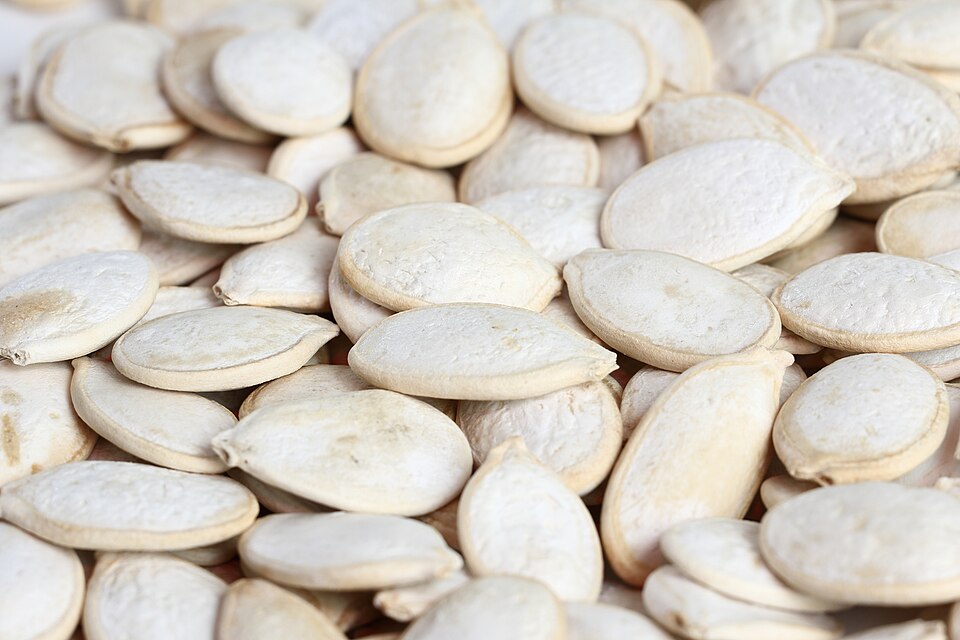
Best zinc sources: Pumpkin seeds, oysters, beef, chickpeas, and cashews.
Bone Broth: Useful, But Overhyped
Bone broth contains gelatin, which is a partially broken-down form of collagen, along with some glycine and proline. Drinking it provides the body with amino acid building blocks that can be used in collagen synthesis.
What it doesn’t do: deliver intact collagen directly to your skin. The collagen in bone broth is digested like any other protein, broken into amino acids, and then the body decides where to use them.
Bone broth is a good addition to a diet that’s already protein-rich and micronutrient-dense. It’s not a shortcut, and the amount of collagen precursors in a cup of broth is relatively modest compared to a portion of salmon or a handful of pumpkin seeds with a kiwi.
What Damages Collagen (and Why It Matters)
You can eat all the right foods and still undermine your collagen if you’re also eating large amounts of sugar. Excess glucose binds to collagen proteins in a process called glycation, forming advanced glycation end products (AGEs) that make collagen stiff and brittle. This is a significant driver of skin ageing and is separate from sun damage.
Refined carbohydrates, sugary drinks, and ultra-processed snack foods are the main contributors. Reducing them is as important as adding collagen-supporting foods.
Smoking also degrades collagen directly (via free radicals) and impairs vitamin C absorption. UV exposure without sun protection breaks down collagen faster than any dietary intervention can rebuild it.
A Simple Daily Pattern
You don’t need a complicated supplement stack. The daily habit that supports collagen consistently:
One serving of vitamin C-rich food (red pepper, kiwi, strawberries, broccoli) at any meal.
Good-quality protein at least twice a day (eggs, fish, poultry with skin, legumes, tofu).
A small handful of mixed seeds or cashews for zinc and copper (pumpkin seeds and cashews are the most practical).
A cup of green tea: the polyphenols in green tea have been shown to inhibit enzymes that break down collagen.
That’s the framework. No powder required.
Related Articles
- Foods That Give You Glowing Skin
- What to Eat for Clear Skin
- How to Eat Your Way to Glowing Skin
- Omega-3 Rich Foods for Glowing Skin
- Turmeric Benefits When Eaten for Skin Health