

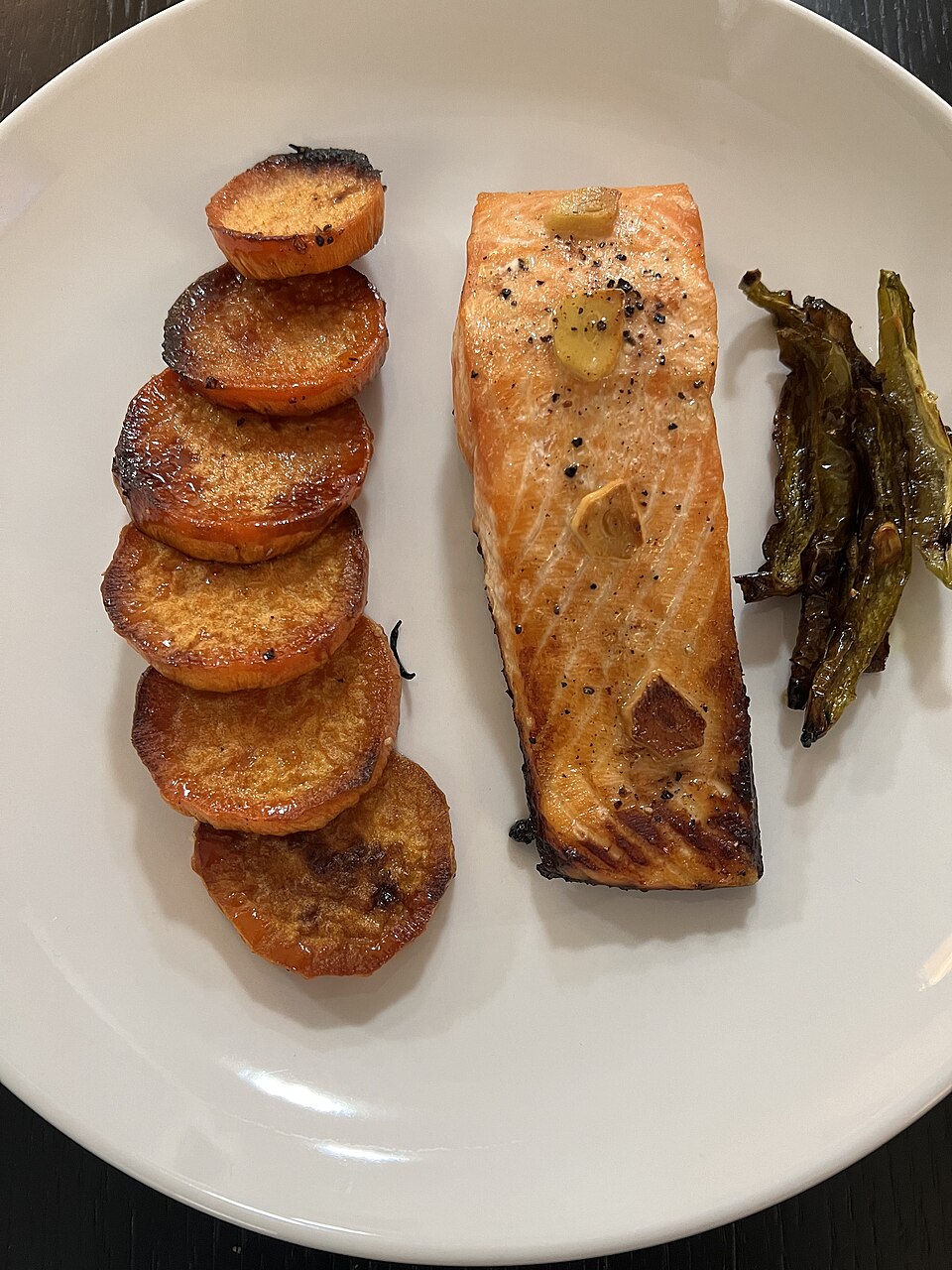
If you want one dietary change that has solid evidence behind it for skin quality, this is the one. Omega-3 fatty acids (specifically EPA and DHA from marine sources) affect skin at a structural level: they’re incorporated directly into the cell membranes that make up your skin barrier. Eat enough of them consistently and the difference in skin hydration, sensitivity, and resilience is measurable.
Skin that looks dull, feels tight after washing, or reacts to almost everything is often skin that’s omega-3 deficient at the cellular level.
Key Takeaways
- EPA and DHA from fatty fish are incorporated directly into skin cell membranes, strengthening the moisture barrier and reducing water loss.
- Clinical studies show omega-3 supplementation improves skin hydration, reduces roughness, and provides some protection against UV-induced damage within 8 to 12 weeks.
- Two to three servings of fatty fish per week (salmon, sardines, mackerel, anchovies) is the most reliable way to get meaningful EPA and DHA.
- Plant-based sources like walnuts and flaxseed provide ALA, which the body converts to EPA and DHA at a modest rate of around 5 to 10%.
Why Omega-3s Matter for Skin, Specifically
Your skin’s moisture barrier is built from a lipid matrix: layers of fatty acids between skin cells that act like mortar between bricks. Omega-3 fatty acids, particularly EPA (eicosapentaenoic acid) and DHA (docosahexaenoic acid), are embedded in the phospholipid membranes of skin cells throughout the epidermis.
When omega-3 intake is chronically low, those membranes have a different fatty acid composition. The barrier becomes more permeable: moisture escapes, irritants get through more easily, and inflammation increases. The result is skin that looks flat, feels reactive, and doesn’t hold hydration well.
Research published by the National Institutes of Health Office of Dietary Supplements confirms that EPA and DHA play a fundamental role in cellular membrane structure and the body’s inflammatory response, both of which have direct downstream effects on skin function.
The Best Omega-3 Foods for Skin
Sardines
Sardines are the most practical omega-3 food for most people. They’re cheap, shelf-stable as tinned fish, and have one of the highest EPA and DHA concentrations per gram of any food. A 100g serving of tinned sardines in oil provides roughly 1.5g of combined EPA and DHA.
They also bring zinc and selenium alongside the omega-3s. Selenium supports antioxidant enzyme synthesis in skin cells; zinc aids wound healing and inflammation control.
Salmon
Salmon is the omega-3 food most people are familiar with. Wild-caught salmon is higher in EPA and DHA than farmed varieties, though both are good sources. A 100g portion provides around 1.5 to 2.5g of EPA and DHA depending on the type.
Salmon also provides astaxanthin, a carotenoid antioxidant that gives the flesh its pink colour and has been studied independently for skin benefits including UV photoprotection and reduced skin ageing.
Mackerel and Anchovies
Mackerel is among the richest sources of omega-3s available, with some varieties providing over 3g of EPA and DHA per 100g. It’s also high in vitamin D, which plays a role in skin cell regulation. Anchovies pack a high omega-3 concentration into a small tin, and their intense flavour means you use less to get the effect.
Walnuts
For plant-based diets, walnuts are the best omega-3 food. They contain ALA (alpha-linolenic acid), which the body can convert to EPA and DHA, though the conversion rate is low (roughly 5 to 10% to EPA; even less to DHA). A small handful (30g) provides about 2.5g of ALA.
Walnuts also contain vitamin E and polyphenols that support skin health independently of their omega-3 content.
Flaxseed
Ground flaxseed is the plant-based source with the highest ALA content by weight. Whole flaxseeds largely pass through undigested; grinding them is essential. One tablespoon of ground flaxseed provides roughly 1.6g of ALA. Add it to yogurt, smoothies, or porridge.
Chia Seeds
Chia seeds are a convenient ALA source (about 5g of ALA per 28g serving) that absorbs liquid and works well added to overnight oats or puddings. Like flaxseed, the conversion to EPA and DHA is modest, but they’re an easy daily addition.
How Much Do You Actually Need?
Two to three servings of fatty fish per week is the amount most studies use when measuring skin effects. That translates to roughly 1 to 2g of combined EPA and DHA daily from food. At that level, clinical studies show measurable improvements in skin hydration, reduced roughness, and some UV photoprotection within 8 to 12 weeks of consistent intake.
If you eat plant-based, hitting the equivalent through ALA conversion alone is difficult. Many plant-based eaters choose algae-based EPA and DHA supplements to bridge the gap: algae is the original source of omega-3s in the food chain (fish get their EPA and DHA from eating algae and smaller fish).
How to Get More Into Your Diet Without Overthinking It
Tinned sardines, mackerel, or salmon are the simplest route. Keep a few tins on hand and eat them with crackers, in pasta, on toast, or in salads. One tin counts as a serving.
For fresh fish, salmon and mackerel are the most widely available. Bake or pan-fry in olive oil with simple seasoning. A 15-minute meal.
For daily plant-based additions: a tablespoon of ground flaxseed in morning yogurt or porridge is a habit that’s easy to maintain. Add walnuts to salads or eat them as a snack.
The goal isn’t precision. It’s consistency: getting an omega-3-rich food into your diet most days, rather than occasionally.
A Realistic Timeline
Don’t expect to eat two sardine tins and wake up with different skin. The omega-3s you eat today are incorporated into new skin cell membranes over the next 27-day skin turnover cycle. Consistent intake over 8 to 12 weeks is when studies typically find measurable improvements.
That’s not an unusually long wait for a dietary intervention. It’s about the same timeline as most dermatology treatments. The difference is that improving your omega-3 intake also reduces inflammation throughout the body and supports cardiovascular and neurological health at the same time.
Related Articles
- Foods That Give You Glowing Skin
- What to Eat for Clear Skin
- How to Eat Your Way to Glowing Skin
- Collagen-Boosting Foods to Eat Every Day
- Turmeric Benefits When Eaten for Skin Health