

Fibermaxxing is the 2026 version of something nutritionists have been saying for decades: most people don’t eat enough fibre, and the consequences are serious. What’s new is the framing and the social media momentum behind it.
The term is simple: maximise your daily fibre intake through whole food sources. No supplements required, no extreme protocols. Just a meaningful effort to get more fibre from legumes, vegetables, whole grains, nuts, and seeds every day.
Key Takeaways
- More than 90% of women and 97% of men in the US don’t meet the recommended daily fibre intake (25g for women, 38g for men). Most people get around 15g per day.
- Adequate fibre intake is linked to reduced risk of cardiovascular disease, type 2 diabetes, colon cancer, and obesity, as well as better gut microbiome diversity and lower cholesterol.
- The best fibre sources are legumes (lentils, chickpeas, black beans), vegetables, whole grains, and seeds — not fibre supplements or fortified snack bars.
- Increase fibre gradually. Going from 15g to 50g overnight causes bloating and discomfort. Add 5 to 10g per week while increasing water intake.
Why Most People Are Fibre-Deficient
The average adult eats around 15g of fibre per day. The recommended intake is 25g for women and 38g for men. That gap is almost entirely explained by diet composition: ultra-processed foods, refined grains, and limited vegetables and legumes provide almost no fibre.
NPR’s coverage of the fibermaxxing trend (2026) notes that fibre intake is strongly associated with gut health, blood sugar regulation, cardiovascular health, and longevity. The basic recommendation hasn’t changed; what’s changed is how many people are now paying attention to it.
What Fibre Actually Does
There are two types of dietary fibre, and both matter:
Soluble fibre dissolves in water and forms a gel in the digestive tract. It slows glucose absorption, lowers LDL cholesterol, and is fermented by gut bacteria into short-chain fatty acids including butyrate. Butyrate reduces inflammation in the gut lining and throughout the body. Sources: oats, barley, lentils, apples, pears.
Insoluble fibre adds bulk to stool, speeds transit through the digestive tract, and reduces the risk of constipation and colon cancer. Sources: wheat bran, whole grain bread, broccoli, nuts, seeds.
The Best Fibre Foods by Category
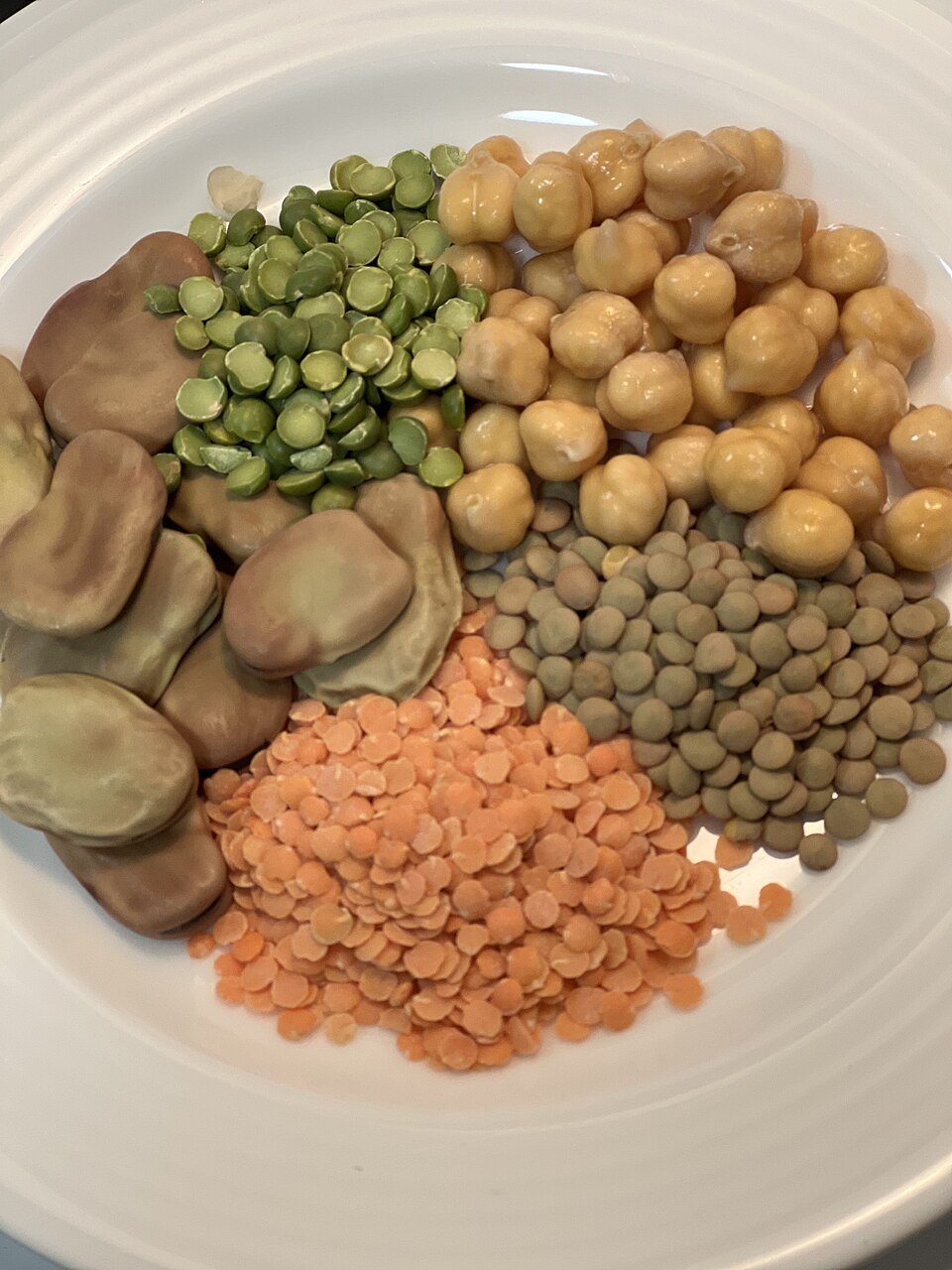
Legumes (the highest fibre foods available): Cooked lentils (15g per cup), cooked black beans (15g per cup), cooked chickpeas (12g per cup), cooked edamame (8g per cup).
Whole Grains: Cooked barley (6g per cup), cooked oats (4g per cup), cooked brown rice (3.5g per cup), wholegrain bread (2g per slice).
Vegetables: Cooked broccoli (5g per cup), sweet potato with skin (4g per medium), artichoke (10g per medium), cooked green peas (9g per cup).
Nuts and Seeds: Chia seeds (10g per 28g serving), ground flaxseed (8g per 28g serving), almonds (4g per 30g serving).
Fruit: Avocado (10g per fruit), raspberries (8g per cup), pear (5.5g per medium), apple with skin (4.5g per medium).
How to Actually Hit 25 to 38g Daily
Add legumes to at least two dinners per week. A cup of lentils in a soup or a tin of chickpeas in a stew adds 12 to 15g of fibre to that meal alone.
Switch to whole grain bread and pasta. Wholegrain versions add 2 to 3g of fibre per serving. Not dramatic, but it accumulates.
Add chia or ground flaxseed to breakfast daily. A tablespoon adds 5 to 8g of fibre and blends invisibly into yogurt, oats, or smoothies.
Eat the skin on vegetables and fruit. Most of the fibre in potatoes, apples, and pears is in the skin. Don’t peel them.
Snack on nuts and fruit instead of refined snacks. An apple and a handful of almonds provides about 8g of fibre; a packet of crisps provides near zero.
What Fibermaxxing Gets Wrong (The Social Media Version)
Some influencers push 80 to 100g of fibre daily. Going from 15g to 80g overnight is a reliable way to cause significant digestive discomfort: bloating, gas, cramping, and changes in bowel habits. UCLA Health’s assessment notes that while higher fibre intake is broadly beneficial, extreme amounts based on social media challenges aren’t necessary or advisable for most people. The evidence for health benefits plateaus well below 80g.
The goal isn’t maximum fibre. It’s adequate fibre from a variety of whole food sources, reached gradually.
A Simple Weekly Fibre Framework
Rather than tracking grams obsessively: eat legumes at least 3 times per week, add a tablespoon of ground flaxseed or chia seeds to breakfast daily, eat at least 5 portions of vegetables and fruit daily including skins, and swap white grains for whole grains wherever you normally eat them.
Do those four things consistently and you’ll almost certainly hit 25 to 30g daily without counting anything.
Related Articles
- Longevity Diet: What to Eat for a Longer, Healthier Life
- High-Fiber Meals That Are Actually Delicious