

“Gut healing” is a phrase that gets attached to a lot of questionable products and protocols. The evidence-based version is simpler: eat more fibre (to feed beneficial gut bacteria), eat more fermented foods (to introduce and support live bacteria), and reduce ultra-processed food (which disrupts the gut microbiome and damages the gut lining). These recipes are built around those principles.
Key Takeaways
- The gut microbiome thrives on dietary diversity and fibre. Recipes built on legumes, vegetables, whole grains, and fermented ingredients directly support it.
- Bone broth provides gelatin and glycine, which support the gut mucosal lining. It’s a useful base for soups and stews when made from scratch or bought unsalted.
- Fermented ingredients (miso, kefir, kimchi, yogurt) add live bacteria. Don’t boil fermented ingredients after adding — high heat kills the bacteria.
- The gut microbiome responds to consistent dietary patterns over weeks, not single meals. Cook these regularly.
Bone Broth and White Bean Soup
Bone broth provides gelatin (from collagen in the bones), glycine, and proline, compounds that support the gut mucosal lining and reduce intestinal permeability. White beans add fibre and plant protein.
What you need (serves 4): 1 litre bone broth (homemade or good-quality shop-bought, low sodium), 2 tins white beans (drained), 1 large onion (diced), 3 garlic cloves (sliced), 2 stalks celery (sliced), 1 large carrot (diced), handful of kale or spinach, 2 tbsp olive oil, 1 tsp thyme, salt and pepper, lemon juice.
How to make it: Sauté onion, carrot, and celery in olive oil for 8 minutes. Add garlic and thyme; cook 2 minutes. Add beans and bone broth. Simmer 15 minutes. Add kale in the last 3 minutes. Finish with lemon juice and black pepper.
Miso Soup with Tofu and Wakame
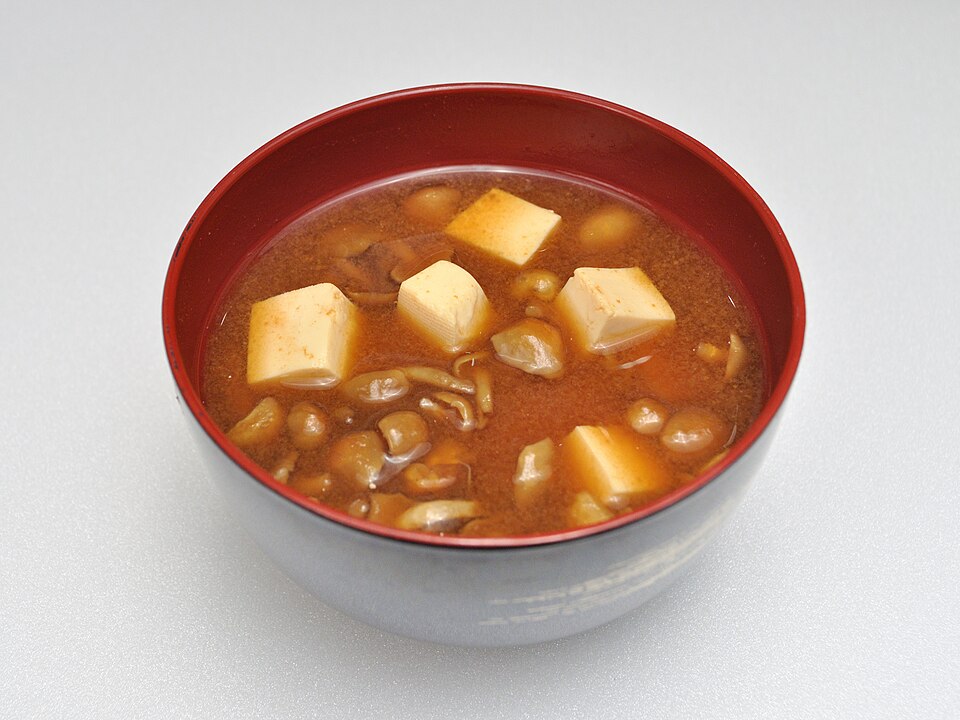
Miso is fermented soybean paste with a complex probiotic profile. The key rule: never boil miso. Add it off the heat or at very low temperature to preserve the live bacteria. Wakame (dried seaweed) is prebiotic and feeds existing beneficial gut bacteria.
What you need (serves 2): 3 cups water or dashi, 2 tablespoons white or mixed miso paste, 150g silken or firm tofu (cubed), 2 tablespoons dried wakame (soaked 5 minutes and drained), 2 spring onions (sliced).
How to make it: Bring water or dashi to just below a simmer. Remove from heat. Add wakame and tofu. In a small bowl, mix the miso paste with a few tablespoons of warm broth until smooth. Pour back into the pot and stir gently. Serve immediately. Don’t reheat or boil after adding miso.
Lentil and Vegetable Soup with Ginger
Red lentils are one of the most fibre-dense foods available and cook in 20 minutes with no soaking required. They provide both soluble fibre (which feeds gut bacteria) and plant protein. Ginger soothes the gut lining and reduces intestinal inflammation.
What you need (serves 4): 200g red lentils (rinsed), 1 tin crushed tomatoes, 1 litre vegetable broth, 1 large onion, 3 garlic cloves, 1-inch fresh ginger (grated), 2 carrots (diced), 1 tsp each turmeric, cumin, coriander, 2 tbsp olive oil, juice of 1 lemon, fresh coriander to serve.
How to make it: Sauté onion and carrot in olive oil for 5 minutes. Add garlic, ginger, and spices; cook 2 minutes. Add lentils, tomatoes, and broth. Simmer 20 minutes until soft. Finish with lemon juice and fresh coriander.
Overnight Oats with Kefir and Berries
Oats contain beta-glucan, one of the most studied prebiotic fibres, which feeds Bifidobacterium and Lactobacillus species in the gut. Kefir provides a wider range of probiotic strains than yogurt. Berries add polyphenols that themselves have prebiotic effects.
What you need (serves 1): ½ cup rolled oats, ½ cup plain kefir, ½ cup water or milk, 1 tablespoon ground flaxseed, 1 teaspoon honey, ½ cup mixed berries, small handful of walnuts.
How to make it: Combine oats, kefir, water or milk, and flaxseed in a jar. Stir and refrigerate overnight. Top in the morning with berries, walnuts, and honey.
Sweet Potato and Ginger Dal
Sweet potato is high in pectin, a prebiotic fibre that specifically feeds Bifidobacterium species associated with gut health and reduced inflammation. Combined with red lentils, ginger, and spices, this is one of the most gut-supportive meals you can make from pantry staples.
What you need (serves 4): 200g red lentils, 2 medium sweet potatoes (peeled and cubed), 1 tin coconut milk, 300ml water, 1 large onion, 4 garlic cloves, 1-inch fresh ginger, 1 tsp each turmeric, cumin, garam masala, 2 tbsp oil, juice of 1 lime, salt, fresh coriander.
How to make it: Sauté onion in oil 5 minutes. Add garlic, ginger, and spices; cook 2 minutes. Add sweet potato, lentils, coconut milk, and water. Simmer 25 minutes until lentils are soft and sweet potato is tender. Squeeze in lime juice. Serve with brown rice.
Gut-Supportive Grain Bowl with Kimchi
This is an assembly rather than a recipe: cooked whole grains, roasted or steamed vegetables, a protein source, and a serving of kimchi on the side. The combination provides fibre from the grain and vegetables, protein, and live bacteria from the kimchi.
The assembly: 1 cup cooked brown rice or farro, a large handful of roasted broccoli or sweet potato, 2 to 3 tablespoons kimchi (from the jar, not cooked), a poached egg or scoop of hummus, pumpkin seeds, olive oil, lemon juice, salt.
The kimchi goes on last, cold, directly from the jar. Heating it above 60°C kills the live bacteria.
The Honest Note on “Gut Healing”
Your gut lining regenerates continuously. Eating well consistently supports that process; eating poorly consistently damages it. There’s no single recipe that “heals” the gut any more than there’s a single workout that gets you fit.
What works is the pattern: consistent fibre intake (25 to 35g daily from whole food sources), regular fermented food, adequate protein, and minimal ultra-processed food. Cook these often, not once.
Related Articles
- Fermented Foods for Gut Health: The Beginner’s Guide
- How to Make Kimchi at Home
- Bone Broth Recipe from Scratch