

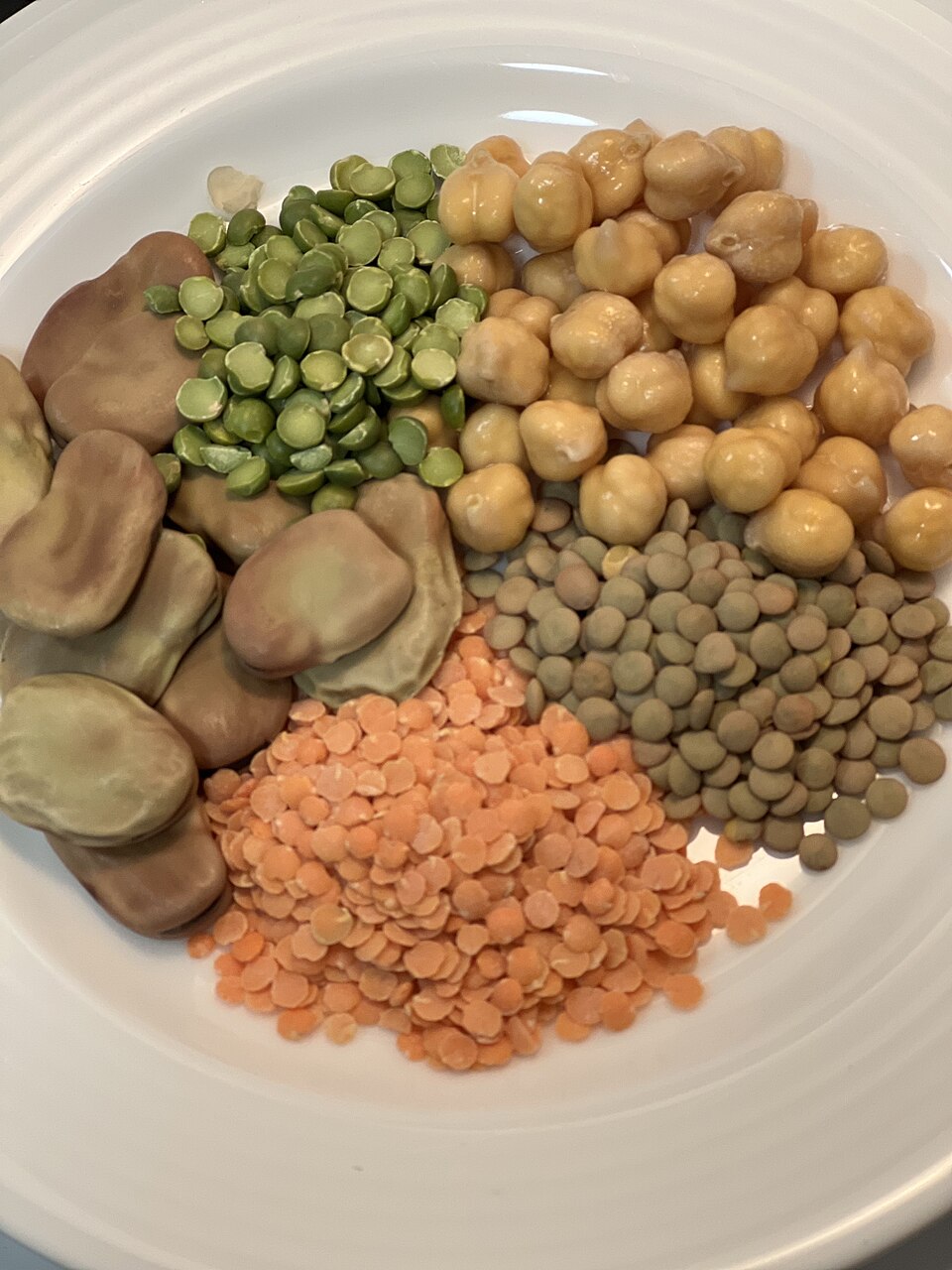
The reputation of high-fibre eating is, frankly, terrible. Chalky supplement drinks, sad bran muffins, foods that taste like cardboard served in the name of digestive health. It doesn’t have to be that way. The highest-fibre foods in the world (lentils, chickpeas, avocado, roasted vegetables, dark chocolate) are also genuinely good to eat.
These are meals built around flavour first, with fibre as a happy consequence of the ingredients.
Key Takeaways
- Legumes (lentils, chickpeas, black beans) are the single highest-fibre food category available. Adding them to two or three meals a week gets most people to their daily target.
- Whole grains, vegetables, and seeds compound the fibre from legumes. Variety matters: different fibre types feed different gut bacteria.
- Flavour and fibre aren’t at odds. The most fibre-dense ingredients (avocado, roasted chickpeas, tahini, dark chocolate) are also the most satisfying.
- Increase intake gradually and drink more water. Jumping from 15g to 40g in a week causes discomfort even when the food tastes great.
Chickpea and Roasted Vegetable Traybake
Chickpeas are one of the most fibre-dense foods available (about 12g per cooked cup), and roasting them until crispy makes them genuinely snackable. Combined with roasted root vegetables and a tahini dressing, this is the high-fibre meal that converts people who think they don’t like beans.
What you need (serves 4): 2 tins chickpeas (drained and dried thoroughly), 2 medium sweet potatoes (cubed), 2 red peppers (roughly chopped), 1 courgette (sliced), 3 tbsp olive oil, 2 tsp cumin, 1 tsp smoked paprika, 1 tsp turmeric, salt and pepper. For dressing: 3 tbsp tahini, juice of 1 lemon, 1 garlic clove (grated), water to thin.
How to make it: Toss chickpeas and vegetables separately in olive oil and spices. Spread on two baking trays — keep the chickpeas on their own tray so they crisp up. Roast at 220°C for 25 to 30 minutes, until chickpeas are golden and vegetables are caramelised. Mix tahini with lemon, garlic, and enough water to make a drizzleable sauce. Serve over brown rice or farro with the tahini dressing.
Fibre per serving: approximately 14 to 18g
Black Bean Tacos with Avocado
Black beans provide around 15g of fibre per cooked cup and have a denser, earthier flavour than most other legumes. Avocado adds another 5g per half, plus healthy fats that make the whole meal more satisfying. Using corn tortillas instead of flour tortillas adds a modest fibre boost and better flavour.
What you need (serves 2): 1 tin black beans (drained), 1 tsp cumin, 1 tsp smoked paprika, salt, 4 corn tortillas, 1 ripe avocado, 1 lime, handful of fresh coriander, sliced red onion, hot sauce.
How to make it: Warm the black beans in a pan with cumin, paprika, and a splash of water. Mash roughly with a fork — leave some whole for texture. Warm tortillas in a dry pan. Mash avocado with lime juice and salt. Load tortillas with beans, avocado, red onion, coriander, and hot sauce.
Fibre per serving: approximately 15g
Lentil and Spinach Stuffed Sweet Potato
Sweet potato is one of the best sources of prebiotic fibre (pectin), and eating it with the skin on adds a further 2g of insoluble fibre. Stuffing it with a spiced lentil and spinach mix turns a side dish into a complete, very high-fibre meal.
What you need (serves 2): 2 large sweet potatoes, 150g red lentils, 1 tin tomatoes, 1 onion (diced), 2 garlic cloves, 1 tsp each cumin, coriander, turmeric, 2 tbsp olive oil, 2 large handfuls spinach, lemon juice, salt, plain yogurt to serve.
How to make it: Bake sweet potatoes whole at 200°C for 45 to 50 minutes until soft. Meanwhile, sauté onion in olive oil, add garlic and spices, then lentils, tomatoes, and 300ml water. Simmer 20 minutes. Stir in spinach and lemon juice. Split sweet potatoes and load with the lentil mixture. Top with a dollop of yogurt.
Fibre per serving: approximately 18 to 22g
Barley and Roasted Mushroom Risotto
Barley is the highest-fibre grain in common use, with about 6g per cooked cup versus 3.5g for brown rice and 2.5g for pasta. It has a chewy, nutty texture that works beautifully in place of arborio rice in a risotto. Mushrooms contain beta-glucan, a soluble fibre with independent gut and immune health benefits.
What you need (serves 4): 300g pearl barley, 500g mixed mushrooms (halved or quartered), 1 litre vegetable or bone broth, 1 large onion, 3 garlic cloves, 150ml white wine (optional), 2 tbsp olive oil, 2 tbsp butter, handful of parsley, parmesan to serve (optional).
How to make it: Roast mushrooms at 200°C for 20 minutes until golden. Sauté onion in olive oil and butter for 8 minutes. Add garlic, then barley; stir to coat. Add wine and let absorb. Add warm broth ladle by ladle, stirring, for about 35 to 40 minutes until barley is tender but still has a little chew. Stir in roasted mushrooms, parsley, and parmesan if using.
Fibre per serving: approximately 10 to 12g
Chia Seed Pudding with Raspberry Compote
Chia seeds are 34% fibre by weight. A 28g serving provides 10g of fibre, which is more than most people get from an entire meal. Raspberries add another 8g per cup. This is technically a breakfast or dessert, but it does more for your daily fibre target than most savoury dishes.
What you need (serves 2): 4 tablespoons chia seeds, 400ml full-fat coconut milk (or any milk), 1 tablespoon maple syrup, ½ tsp vanilla. For the compote: 200g frozen raspberries, 1 tablespoon honey, squeeze of lemon.
How to make it: Mix chia seeds with coconut milk, maple syrup, and vanilla. Stir well, then refrigerate overnight or at least 4 hours. The seeds will expand and set into a thick pudding. For the compote, simmer raspberries with honey and lemon for 5 minutes until jammy. Spoon pudding into bowls and top with compote.
Fibre per serving: approximately 14 to 16g