

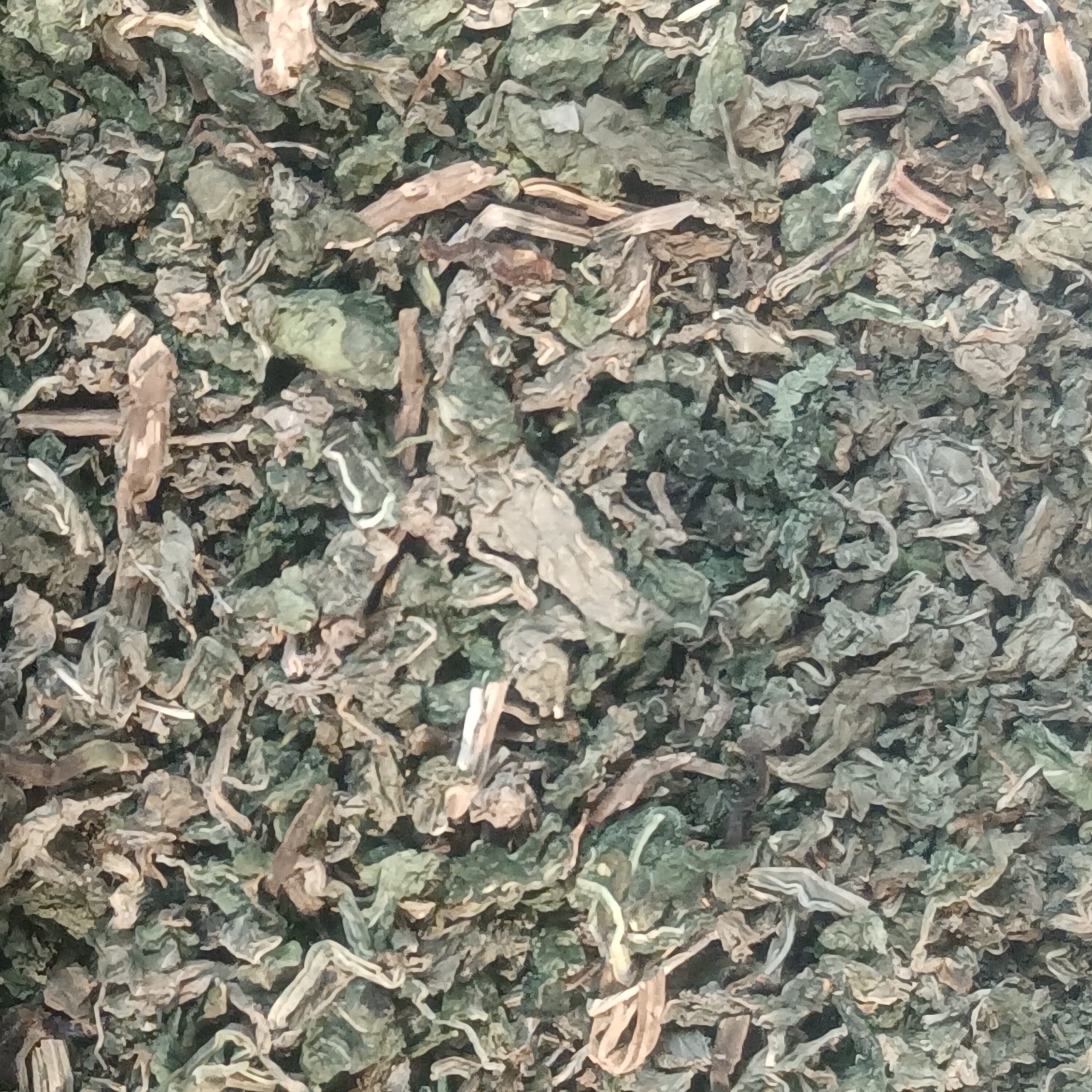
What to Drink for Clear Skin (That Isn’t Just Water)
Water first — that’s always the answer. But beyond hydration, what you drink can meaningfully affect skin clarity through several pathways: inflammation, the gut-skin axis, blood sugar, and antioxidant protection. Some drinks help on multiple fronts. Others are worth skipping.
Key Takeaways
– High-glycaemic drinks (sugary beverages, fruit juice, milky coffees with syrups) spike blood sugar and insulin, which increases sebum production and promotes inflammatory acne. Cutting these has a faster impact on skin clarity than most drinks you add.
– Green tea EGCG reduces sebum oxidation, lowers skin inflammation, and inhibits the enzymes that break down collagen. It’s the single best addition for acne-prone or inflammation-prone skin.
– Spearmint tea has evidence from small clinical trials for reducing acne related to hormonal androgens — it’s worth trying if hormonal breakouts are the pattern.
– Drinks that support the gut microbiome (kefir, kombucha in small amounts) can reduce the type of gut-linked inflammation that shows up in skin.
What’s Hurting Your Skin First
Before adding anything, remove the drinks that damage skin clarity. This has faster and more reliable impact than any drink you add.
Sugar-sweetened drinks. Sodas, flavoured juices, energy drinks, and sugary lattes all spike blood glucose and insulin. Insulin stimulates the release of IGF-1 (insulin-like growth factor), which increases sebum production and promotes the formation of comedones (blocked pores). The dairy-and-sugar combination in milky coffees with syrups is one of the most common unrecognised diet factors in adult acne.
Alcohol. Disrupts sleep (which affects skin repair), dehydrates, and creates acetaldehyde as a metabolic by-product — a compound that depletes antioxidants and increases inflammation throughout the body. Redness and dullness are the most visible immediate effects; chronic heavy drinking accelerates skin ageing more significantly.
Drinks That Support Clearer Skin
Green Tea
The most evidence-backed drink for acne-prone and inflammation-prone skin. EGCG, the primary catechin in green tea, works through multiple relevant pathways: it reduces activity of the 5-alpha reductase enzyme (which converts testosterone to DHT, a driver of sebum production), inhibits oxidation of sebum (which contributes to blackhead formation), and reduces levels of pro-inflammatory prostaglandins in the skin.
Two to three cups daily is the useful amount. Brew at around 80°C rather than boiling, for 2 to 3 minutes.
Spearmint Tea
Spearmint has mild anti-androgenic activity — it reduces circulating testosterone levels slightly, which may reduce sebum production in people whose acne is hormonally driven. Two small clinical trials found that twice-daily spearmint tea reduced inflammatory acne lesions over 30 days. The effect is modest but real, and it’s low-risk.
This is specifically for people whose breakouts are hormonally patterned: worsening around the menstrual cycle, concentrated on the jaw and chin, or associated with elevated androgens. For non-hormonal acne, spearmint tea provides no specific advantage over regular herbal tea.
Kefir
The gut-skin axis means that what’s happening in your gut shows up in your skin. A less diverse gut microbiome is associated with increased intestinal permeability, which allows inflammatory compounds into the bloodstream — and those show up as skin inflammation. Kefir’s broad spectrum of probiotic bacteria and yeasts is the most effective dietary tool for improving gut microbiome diversity quickly.
A small glass (150 to 200ml) of plain, unsweetened kefir daily is a useful addition, particularly if you have gut issues alongside skin issues.
Kombucha
Kombucha has a similar probiotic rationale but more variable evidence — the bacterial content depends heavily on the brand and fermentation method. In small amounts (100 to 150ml daily), it provides some probiotic benefit with minimal downsides. Don’t rely on it as your main probiotic source; kefir or yogurt are more consistent. Also be aware that some commercial kombuchas contain significant added sugar, which works against you.
Warm Lemon Water
Vitamin C is essential for collagen synthesis and is a significant antioxidant. A squeeze of fresh lemon juice in warm water provides a modest boost to daily vitamin C intake and encourages more water consumption overall. The skin benefits are real but indirect — it’s mostly helping you drink more water and contributing to your daily vitamin C.
The Drinks Worth Ignoring
Collagen drinks (most commercial versions). The clinical evidence for collagen peptides on skin exists, but the effective dose in studies is 2.5 to 10g daily — and most commercial collagen drinks provide far less. If you want to supplement collagen peptides, buy a powder with a known dose and add it to your morning drink rather than paying for branded drinks with minimal active content.
Celery juice. No specific mechanism for skin clarity has been established. It’s mostly water with small amounts of vitamins. It’s not harmful, but the claims are not supported by clinical evidence.
Detox teas. “Detox” is not a real physiological mechanism that can be accelerated by tea. Many contain laxative herbs (senna) and provide no skin benefit.
The Practical Priority List
If you want to change what you drink for skin clarity, in order of impact:
1. Remove sugar-sweetened drinks and highly sweetened coffees. 2. Add 2 to 3 cups of green tea daily. 3. Add daily kefir or probiotic-rich yogurt (as a drink if preferred). 4. If hormonal acne is the pattern, try twice-daily spearmint tea for 4 weeks. 5. Drink 1.5 to 2 litres of water daily — this remains foundational.
The removal step (sugar) typically shows results within 2 to 4 weeks. The additions take longer — gut microbiome changes and anti-inflammatory effects build over 4 to 8 weeks of consistent intake.