

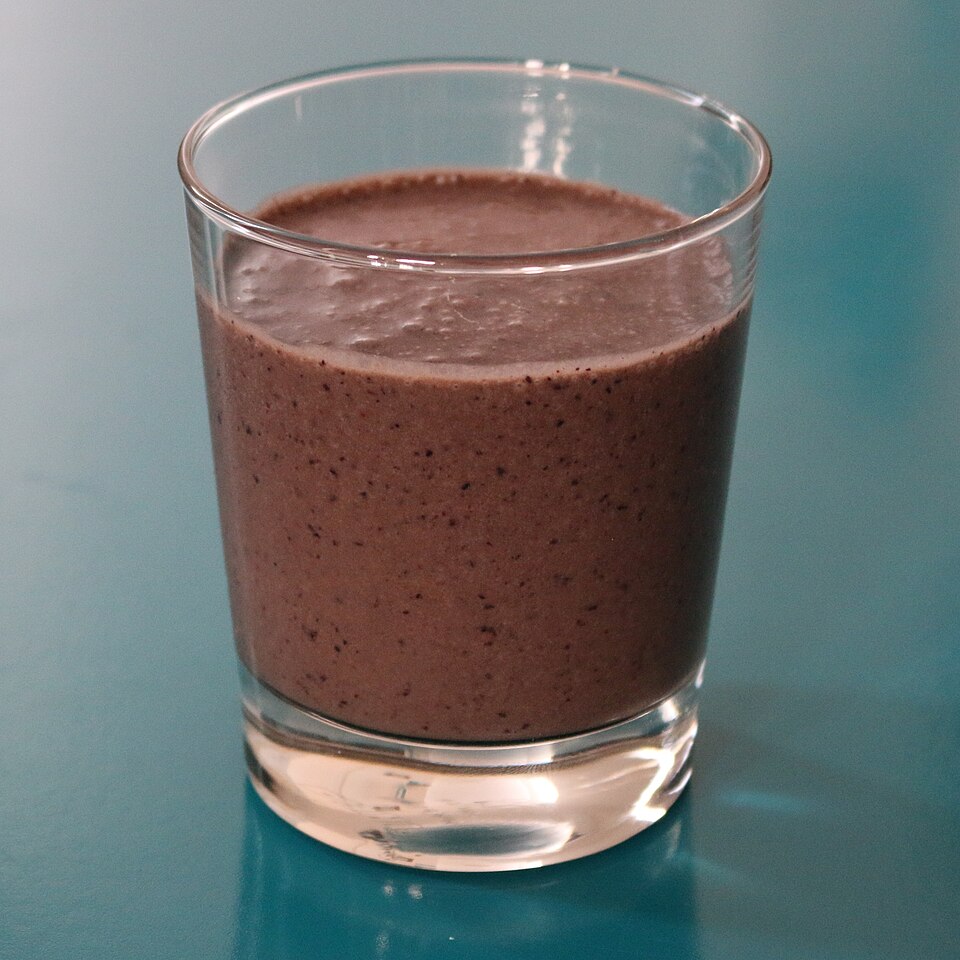
A smoothie is one of the fastest ways to get a meaningful dose of anti-inflammatory ingredients into your day, particularly on mornings when cooking feels like too much. These recipes aren’t just “healthy fruit smoothies” with a turmeric photo. Each one is built around ingredients that have documented anti-inflammatory mechanisms and actually taste good enough to drink regularly.
The key is building around a base that carries fat-soluble compounds (curcumin in turmeric and carotenoids in leafy greens both need fat to absorb properly) while keeping the glycemic load reasonable. A smoothie built on banana and fruit juice with a pinch of turmeric is more sugar delivery than anti-inflammatory support.
Key Takeaways
- Turmeric needs fat and black pepper to absorb properly. Always blend with a fat source (nut butter, full-fat yogurt, or avocado) and include a pinch of black pepper.
- Berries are among the highest-antioxidant foods available. Frozen varieties are nutritionally equivalent to fresh and significantly cheaper.
- Adding a tablespoon of ground flaxseed or chia seeds to any smoothie boosts omega-3 intake and slows sugar absorption.
- Plain kefir or yogurt as a base adds probiotics, which support gut health and reduce systemic inflammation through the gut-skin axis.
The Golden Glow Smoothie
This is the one to make when you want to cover the most anti-inflammatory ground in a single glass. Turmeric and ginger together provide curcumin and gingerol. Mango provides beta-carotene and vitamin C. The coconut milk provides the fat needed for curcumin absorption. The pinch of black pepper is non-negotiable.
Ingredients (1 serving): 1 cup frozen mango chunks, 1 small banana, 1 tsp ground turmeric, 1 tsp freshly grated ginger (or ½ tsp ground), pinch of black pepper, 1 cup full-fat coconut milk or oat milk, juice of half a lime, optional: 1 tablespoon ground flaxseed.
Blend until smooth. Adjust thickness with more milk or ice.
The Berry and Kefir Smoothie
Berries are among the best-studied anti-inflammatory foods. Research confirms that anthocyanins in blueberries and blackberries directly reduce oxidative stress and lower C-reactive protein, a key marker of systemic inflammation. Kefir adds probiotics that support gut microbiome diversity, which in turn reduces inflammatory signalling from the gut.
Ingredients (1 serving): 1 cup frozen mixed berries (blueberries, raspberries, blackberries), 1 cup plain kefir or plain full-fat yogurt, 1 tablespoon ground flaxseed, 1 teaspoon honey (optional), small handful of spinach, 2 tablespoons rolled oats.
Blend until smooth. The oats make this thick and filling enough to replace breakfast.
The Green Anti-Inflammatory Smoothie
Spinach is almost flavourless when blended with sweet fruit, which makes it one of the easiest ways to add a large dose of antioxidants, folate, magnesium, and vitamin K to your morning without tasting them. Walnuts add a plant-based omega-3 boost.
Ingredients (1 serving): 2 large handfuls of spinach, 1 cup frozen mango or pineapple, 1 small banana, 5 to 6 walnut halves, 1 tablespoon ground flaxseed, 1 cup water or coconut water, juice of half a lemon.
Blend the spinach and liquid first until smooth, then add the fruit and blend again. Starting with the greens ensures they’re fully broken down.
The Ginger Beet Smoothie
Beetroot contains betalains, a class of pigment with potent antioxidant activity. Research has found beetroot consumption reduces markers of oxidative stress and inflammation. Combined with ginger, this is one of the more earthy-tasting smoothies on this list, but it’s effective and worth acquiring a taste for.
Ingredients (1 serving): 1 small raw beetroot (peeled and roughly chopped) or ½ cup frozen beetroot chunks, 1 cup frozen raspberries or strawberries, 1-inch piece of fresh ginger (peeled), 1 tablespoon ground flaxseed, 1 cup plain yogurt or kefir, juice of 1 orange.
Blend until completely smooth. The orange juice adds vitamin C and cuts the beet flavour.
The Chocolate Cherry Recovery Smoothie
Tart cherries have some of the strongest evidence for reducing exercise-induced inflammation and oxidative stress. Dark cocoa powder provides flavanols with documented anti-inflammatory effects. This one tastes enough like dessert to not feel like health food.
Ingredients (1 serving): 1 cup frozen tart or dark sweet cherries, 1 tablespoon unsweetened cocoa powder, 1 tablespoon almond butter, 1 cup plain full-fat yogurt or almond milk, 1 tablespoon ground flaxseed, pinch of cinnamon, a few ice cubes.
Blend until smooth. Add a little honey if you want more sweetness.
Getting the Most Out of Anti-Inflammatory Smoothies
Always include a fat source. Curcumin and carotenoids are fat-soluble. Without fat in the same blend, they’re poorly absorbed. Nut butter, full-fat yogurt, coconut milk, avocado, or walnuts all work.
Don’t use fruit juice as a base. A smoothie built on 300ml of orange juice before any other fruit is added can easily contain 40g or more of sugar with rapid absorption. Use whole frozen fruit, water, kefir, or unsweetened plant milk instead.
Ground flaxseed is worth adding to everything. It’s flavourless, provides omega-3 ALA and fibre, and slows the rate at which fruit sugars enter the bloodstream. Keep a bag in the fridge (ground flaxseed should be refrigerated after opening).
Frozen fruit works as well as fresh and is often cheaper. The polyphenols, anthocyanins, and vitamins in berries are retained through freezing.