

The hardest part of eating anti-inflammatory isn’t knowing which foods to choose. It’s having a plan before you’re hungry. Without one, most people default to whatever’s easiest, and the easiest options are usually the most inflammatory: refined carbs, processed snacks, fast food.
This is a full week of meals designed around the core anti-inflammatory ingredients: fatty fish, olive oil, turmeric, ginger, berries, leafy greens, legumes, and whole grains. Nothing exotic, nothing difficult. Most dinners take under 30 minutes.
Key Takeaways
- Anti-inflammatory eating is a pattern, not a protocol. The goal is to make the right foods your default across the week, not to eat perfectly every meal.
- The Mediterranean dietary pattern, which this plan closely follows, has the strongest evidence base for reducing chronic inflammation.
- Most people notice improved energy and digestion within 3 to 5 days. Skin and joint effects build over 8 to 12 weeks of consistent eating.
- You don’t need to follow this plan rigidly. Use it as a template to replace your most inflammatory meals first.
Before You Start: Stock These Basics
Having the right staples removes the friction. Before the week begins, make sure you have:
Pantry: Olive oil, tinned sardines or salmon, tinned tomatoes, red lentils, tinned chickpeas, brown rice, oats, walnuts, ground flaxseed, turmeric, ginger (fresh or ground), black pepper, cumin, coriander.
Fridge/freezer: Salmon fillets (or frozen), eggs, plain full-fat yogurt, leafy greens (spinach, kale), broccoli, sweet potato, berries (frozen is fine), avocado.
Day 1: Monday
Breakfast: Overnight oats with a tablespoon of ground flaxseed, a handful of mixed berries, and a drizzle of honey. Make this the night before.
Lunch: Tinned sardines on sourdough toast with sliced avocado, a squeeze of lemon, and black pepper. Add a handful of rocket or spinach on the side.
Dinner: Lentil and spinach dal (red lentils simmered with turmeric, cumin, ginger, canned tomatoes, and spinach). Serve with brown rice and a wedge of lemon. Cook a double portion so you have lunch tomorrow.
Snack: A small handful of walnuts and an apple.
Day 2: Tuesday
Breakfast: Scrambled eggs with spinach, a pinch of turmeric, and a crack of black pepper. Eat with a slice of sourdough or rye bread.
Lunch: Leftover dal from Monday. It keeps well and improves overnight.
Dinner: Baked salmon with roasted sweet potato and steamed broccoli. Coat the salmon in olive oil, turmeric, ginger, and black pepper before baking at 200°C for 15 minutes.
Snack: Plain yogurt with a tablespoon of ground flaxseed and a few berries.
Day 3: Wednesday
Breakfast: Plain full-fat yogurt with a generous handful of blueberries, a tablespoon of ground flaxseed, and a small handful of walnuts.
Lunch: Large salad with mixed leafy greens, half an avocado, a tin of chickpeas (drained and rinsed), cherry tomatoes, and a dressing of olive oil and lemon juice.
Dinner: Chicken thighs braised with chickpeas, kale, garlic, lemon, and turmeric. Brown the thighs first, then braise with the rest in a covered pan for 20 minutes.
Snack: Sliced red bell pepper with hummus.
Day 4: Thursday
Breakfast: Turmeric oatmeal. Cook oats with a quarter teaspoon of turmeric, a pinch of ginger, and a pinch of black pepper. Top with banana slices and a drizzle of honey.
Lunch: Tinned salmon with brown rice, cucumber slices, avocado, and a drizzle of soy sauce and sesame oil.
Dinner: Miso-glazed salmon with brown rice and steamed edamame. Mix 2 tablespoons white miso with mirin and sesame oil, coat the salmon, and bake or grill until flaky.
Snack: A cup of green tea and a small handful of dark chocolate (70%+) with walnuts.
Day 5: Friday
Breakfast: Smoothie: a cup of frozen berries, a tablespoon of ground flaxseed, a handful of spinach, a cup of plain yogurt or kefir, and a teaspoon of ginger. Blend until smooth.
Lunch: Chickpea and vegetable soup. Simmer tinned chickpeas with diced onion, garlic, tomatoes, turmeric, cumin, and spinach in vegetable broth for 20 minutes. Make a large pot.
Dinner: Sardine and tomato pasta with wholegrain spaghetti. Fry garlic and chilli in olive oil, add tinned tomatoes, simmer 10 minutes, add sardines and toss with pasta and parsley.
Snack: An orange and a small handful of almonds.
Day 6: Saturday
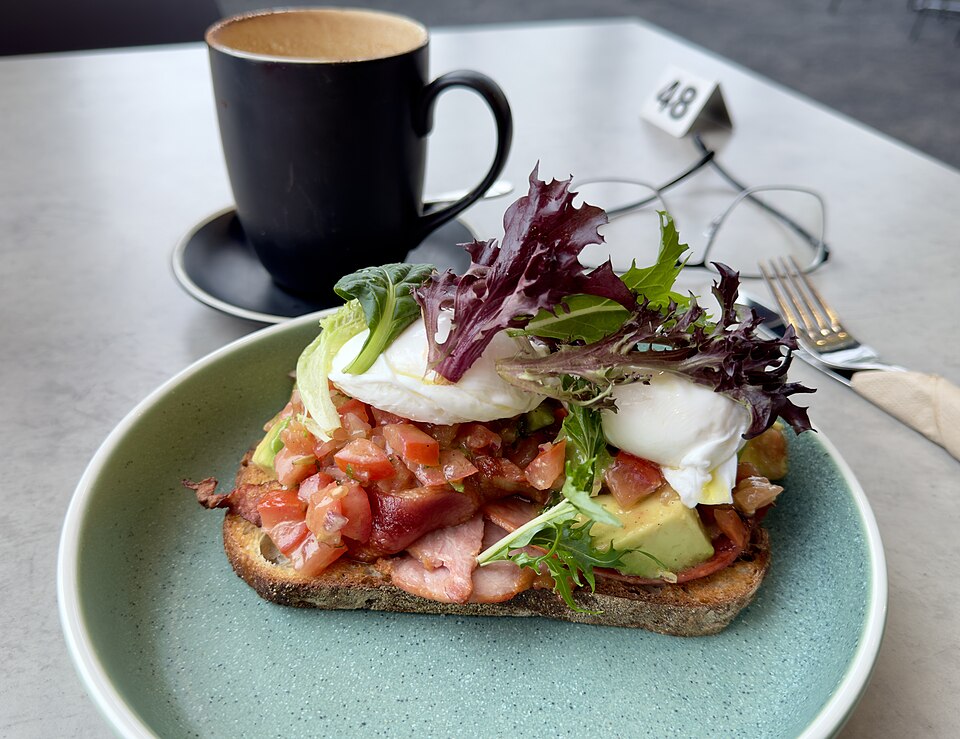
Breakfast: Avocado on rye or sourdough toast with two poached eggs, a squeeze of lemon, and a pinch of chilli flakes. Add a handful of spinach on the side.
Lunch: Leftover chickpea soup from Friday with a piece of sourdough.
Dinner: Whole roasted salmon fillet with a lemon-herb crust, served with a big green salad (kale, roasted cherry tomatoes, cucumber, pumpkin seeds, olive oil and lemon dressing) and roasted sweet potato wedges.
Snack: Yogurt with honey and a few strawberries.
Day 7: Sunday
Breakfast: Bircher muesli: rolled oats soaked overnight in apple juice or milk with grated apple, a tablespoon of flaxseed, walnuts, and mixed berries.
Lunch: Large grain bowl with cooked brown rice or farro, roasted chickpeas, spinach, shredded carrots, half an avocado, and a tahini-lemon dressing.
Dinner: Vegetable and white bean soup with a bone broth base. Season with turmeric, ginger, and lemon. A good way to use up any remaining produce before starting again Monday.
Snack: A cup of golden milk: warm full-fat milk with turmeric, ginger, a pinch of black pepper, and honey.
What to Expect This Week
Days 1 to 3 often feel like a reset: better digestion, more stable energy between meals, and less bloating from reduced processed food. Days 4 to 7, most people settle into the rhythm. The meals stop feeling like “healthy eating” and start feeling like just eating.
The research on anti-inflammatory dietary patterns consistently shows that measurable shifts in inflammatory markers take 8 to 12 weeks. One week gives you a foundation and a set of habits. What you do in weeks 2 through 12 is what produces lasting change.
A Few Practical Notes
Batch cook on Sunday. Dal, grain bowls, and soups all keep for 4 days in the fridge and improve overnight. Spending 45 minutes on Sunday removes most of the friction for weekday lunches.
Keep tinned fish in the house. Sardines and salmon are the lowest-effort anti-inflammatory proteins available. They require no preparation and keep indefinitely.
Frozen berries are fine. Nutritionally equivalent to fresh, and cheaper. The polyphenols and antioxidants aren’t affected by freezing.
Swap freely. If you don’t like mackerel, use salmon. If you can’t find kale, use spinach. The underlying logic (fatty fish, olive oil, dark greens, turmeric, legumes, low-glycemic carbs) is what matters.