

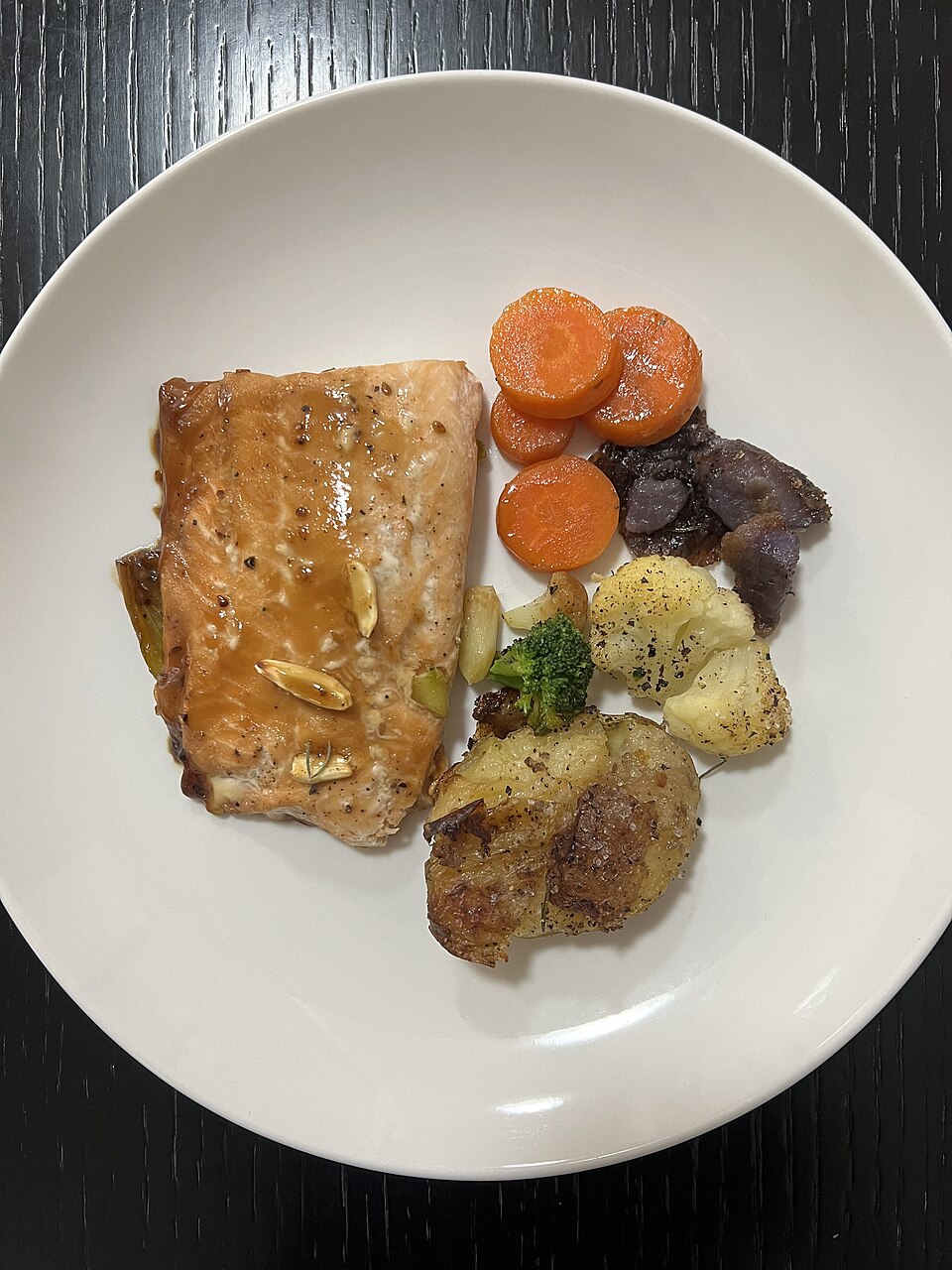
Most skincare routines treat the skin like a surface problem. But your skin is a living organ built from the inside. The proteins, fats, and micronutrients you eat every day become the raw material for every new skin cell. If you want to improve your skin’s texture, tone, and resilience, your diet is the place to start, not as a replacement for good skincare, but as the foundation under it.
This isn’t about eating “clean” in some vague, restrictive sense. It’s about consistently getting the specific nutrients that skin needs to do its job.
Key Takeaways
- Your skin rebuilds itself on a roughly 27-day cycle, so dietary changes take 4 to 12 weeks to show visible results.
- Vitamin C is essential for collagen synthesis. Two portions of vitamin C-rich food daily (bell peppers, kiwi, strawberries) is a practical target.
- Omega-3 fatty acids from fatty fish and seeds maintain the moisture barrier that keeps skin hydrated and reduces sensitivity.
- Reducing high-glycemic foods (white bread, sugary drinks, refined carbs) is one of the highest-leverage dietary changes for skin quality.
Start With What You’re Missing, Not What You Should Add
Before thinking about which “glow foods” to add to your diet, it’s worth considering what common deficiencies show up first in your skin.
Vitamin C deficiency makes skin look dull and slows healing. Omega-3 deficiency makes skin dry, tight, and reactive. Zinc deficiency is linked to breakouts and slow repair. Iron deficiency shows up as pallor and shadows under the eyes. These aren’t subtle. They’re the baseline.
If your diet is heavy in ultra-processed foods and refined carbohydrates and low in vegetables and fish, adding a handful of blueberries won’t move the needle. The first shift is structural: more whole food, less packaged food. Everything else builds on that.
Build Around These Four Nutrient Pillars
Vitamin C: The Collagen Trigger
Your body can’t synthesise collagen without vitamin C. It’s a required cofactor at two steps in the collagen-building process. When vitamin C is low, the skin produces less collagen and what it makes is structurally weaker.
A 2025 trial published in the Journal of Investigative Dermatology found that raising dietary vitamin C intake through kiwi fruit consumption led to measurably thicker skin and faster epidermal cell renewal within eight weeks. The skin absorbed vitamin C directly from the bloodstream.
Practical daily targets: a large red bell pepper (190mg), two kiwis (140mg), a cup of strawberries (85mg), or half a cup of broccoli (50mg). You need roughly 75 to 90mg per day for baseline function; research suggests more (up to 200mg) for optimal skin effects.
Omega-3s: The Moisture Lock
Your skin’s moisture barrier is made of lipids. Omega-3 fatty acids, specifically EPA and DHA, are incorporated into the cell membranes of skin cells and determine how well that barrier holds water. When omega-3 intake is low, skin becomes dry and more reactive to irritants.
Two to three servings of fatty fish per week (salmon, sardines, mackerel, anchovies) is the practical target. For plant-based diets, one tablespoon of ground flaxseed and a small handful of walnuts daily provides ALA, which the body converts to EPA and DHA at a modest rate.
Zinc: The Repair Mineral
Zinc is involved in skin cell production, wound healing, and regulating oil gland activity. Acne patients have consistently lower serum zinc than those with clear skin, according to research in the Journal of Cosmetic Dermatology. It’s not a dramatic effect, but zinc deficiency quietly undermines everything else your skin is trying to do.
Best food sources: pumpkin seeds, oysters, beef, chickpeas, and cashews. If you eat mostly plant-based food, soaking legumes before cooking them improves zinc absorption.
Antioxidants: The Long Game
UV light and environmental pollution generate free radicals that damage skin collagen and accelerate ageing. Dietary antioxidants (vitamin E, carotenoids, polyphenols, vitamin C) neutralise free radicals before they cause damage. The antioxidant-to-skin relationship is well documented in both animal models and human trials, though the effect size from whole food is more modest than from high-dose supplements.
The practical upshot: eat a wide variety of colourful vegetables and fruit every day. Colour is a rough proxy for antioxidant density. Orange and red (carotenoids), blue and purple (anthocyanins), dark green (lutein, zeaxanthin). Variety matters as much as quantity.
What a Good Skin Day Looks Like, Meal by Meal
You don’t need a special “skin diet.” You need a diet that hits the above pillars reliably. Here’s what that looks like without being precious about it.
Breakfast: Plain full-fat yogurt with mixed berries and a tablespoon of ground flaxseed. Or scrambled eggs with spinach and a cup of green tea.
Lunch: A salad with leafy greens, half an avocado, a portion of tinned sardines or salmon, and a squeeze of lemon. Or a lentil soup with a side of sourdough bread and a handful of walnuts.
Dinner: Salmon or mackerel with roasted sweet potatoes and steamed broccoli. Or a chickpea stew with tomatoes, spinach, and olive oil.
Snacks: A small handful of pumpkin seeds, sliced red bell pepper with hummus, or a couple of kiwis.
This isn’t a rigid plan. It’s a pattern. The consistency of hitting your vitamin C and omega-3 targets most days is what produces results, not any single meal.
What to Cut Back On
Diet isn’t only about adding things. Two categories reliably undermine skin quality:
High-glycemic foods: White bread, sugary drinks, white rice, most breakfast cereals, and pastries raise blood glucose quickly, which triggers insulin and IGF-1, increasing oil production and inflammation. Clinical studies consistently show that reducing glycemic load improves acne and skin texture. The swap isn’t drastic: rye or sourdough instead of white bread, lentils instead of white rice, whole fruit instead of juice.
Ultra-processed foods: The combination of refined carbs, added sugars, and industrial seed oils in most snack foods drives systemic inflammation. Over months, that inflammation shows in your skin as dullness, uneven tone, and slower recovery from any kind of irritation.
How Long Does It Actually Take?
Skin cells turn over every 27 days. Most dietary intervention studies that show measurable skin improvements run for 8 to 12 weeks. So you’re looking at two to three months of consistent eating before you notice a meaningful change in texture and tone.
That’s slower than any product on the market claims. It’s also a more honest number.
The shifts that tend to show up first are hydration and reduced sensitivity (from omega-3s), followed by improved tone and brightness (from antioxidants and vitamin C), and finally texture and firmness (from sustained collagen synthesis). None of it is instant. All of it compounds.
Related Articles
- Foods That Give You Glowing Skin
- What to Eat for Clear Skin
- Omega-3 Rich Foods for Glowing Skin
- Collagen-Boosting Foods to Eat Every Day
- Turmeric Benefits When Eaten for Skin Health