

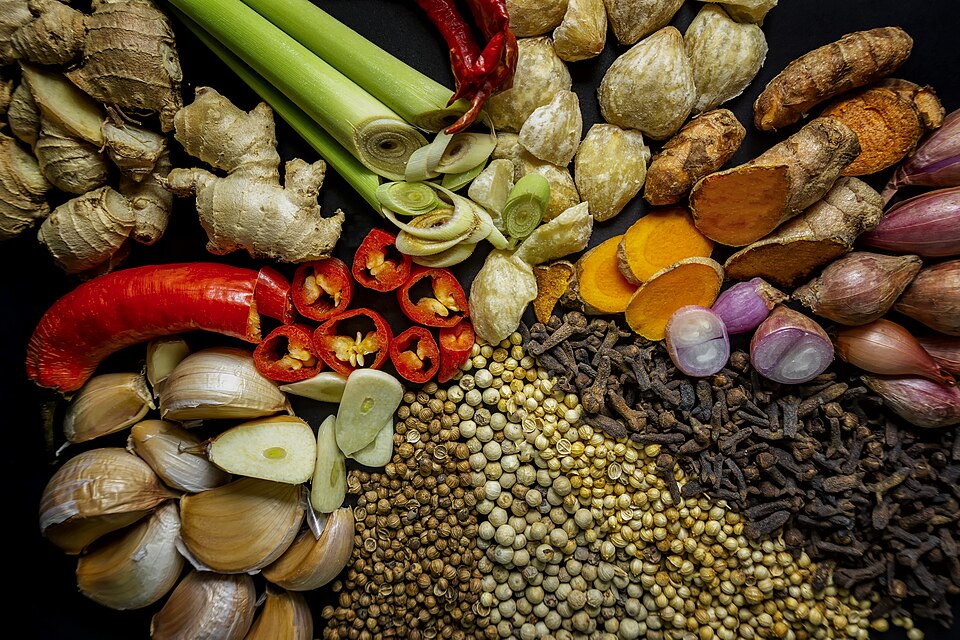
Turmeric has been used in cooking for thousands of years, and it’s been used in traditional medicine for roughly as long. The thing is, modern research has actually backed up a lot of those traditional claims, at least when it comes to curcumin, the active compound responsible for turmeric’s yellow colour and most of its studied effects.
The catch: curcumin is poorly absorbed on its own. How you eat turmeric matters almost as much as how much you eat.
Key Takeaways
- Curcumin, turmeric’s active compound, has well-documented anti-inflammatory and antioxidant effects that benefit skin health when eaten regularly.
- Adding black pepper to turmeric increases curcumin absorption by up to 2,000% by inhibiting the enzyme that clears curcumin from the body.
- Eating turmeric with fat (olive oil, coconut oil, full-fat dairy) also significantly improves curcumin absorption, as it’s fat-soluble.
- Research suggests oral curcumin can reduce skin inflammation, inhibit excess sebum production, and provide some protection against UV-induced photoageing.
What Curcumin Actually Does in the Body
Curcumin works through multiple mechanisms simultaneously, which is part of why the research on it is so broad. The most relevant ones for skin health are:
Anti-inflammatory action: Curcumin blocks NF-kB, one of the central signalling proteins in the inflammatory cascade. Chronic low-grade inflammation is a major driver of skin ageing, acne, and conditions like eczema and psoriasis.
Antioxidant activity: Curcumin scavenges free radicals directly and also upregulates the body’s own antioxidant enzymes (including superoxide dismutase and catalase). UV radiation generates large amounts of free radicals in skin cells; curcumin provides some mitigation.
Sebum regulation: A clinical trial found that both turmeric and curcumin inhibit lipid synthesis in sebocytes, the skin cells responsible for producing oil. This is relevant for acne-prone skin specifically.
A 2025 review in Frontiers in Pharmacology examined curcumin’s potential as an anti-photoaging agent, finding evidence that it can prevent UV-induced inflammation and inhibit melanin overproduction that leads to dark spots.
The Bioavailability Problem (and How to Solve It)
Here’s the honest version: curcumin is poorly absorbed when eaten on its own. Your gut absorbs relatively little of it, and what does get into the bloodstream is rapidly metabolised and cleared.
Two things dramatically improve absorption:
Black pepper. Piperine, the active compound in black pepper, inhibits the liver enzyme that clears curcumin from the bloodstream. A study published in LC-MS/MS Research found that consuming black pepper alongside curcumin increased curcumin’s half-life from 2.2 hours to 4.5 hours and significantly raised the amount detectable in urine, indicating better systemic absorption. The ratio in most studies is about 100:1 turmeric to black pepper by weight. In cooking terms, this means a pinch of black pepper with a teaspoon of turmeric.
Fat. Curcumin is fat-soluble. Cooking turmeric in olive oil, coconut oil, or another fat before adding it to a dish (rather than stirring it into water or broth last) significantly increases absorption. This is one reason traditional turmeric preparations often involve oil and pepper together.
The practical upshot: a turmeric latte made with full-fat milk and a crack of black pepper is genuinely better absorbed than turmeric stirred into hot water.
Skin Conditions Where Eating Turmeric May Help
Based on the available evidence, oral turmeric has the most support for these areas:
Acne and oily skin. The sebum-inhibiting effect of curcumin combined with its anti-inflammatory properties makes it a reasonable dietary addition for acne-prone skin. The evidence is moderate rather than definitive, but it’s mechanistically sound.
Inflammatory skin conditions. A review in PMC examining curcumin’s dermatological applications found evidence for benefit in atopic dermatitis and psoriasis, partly through curcumin’s effect on inflammatory cytokines. Most of the clinical studies used supplements rather than food, so the food-level effect is smaller but still present.
Photoageing. UV exposure breaks down collagen and causes skin to age faster. Curcumin’s antioxidant activity helps neutralise the free radicals generated by UV exposure. It doesn’t replace sunscreen, but eating turmeric regularly provides some internal protection.
How Much Turmeric Should You Actually Eat?
Most of the curcumin research showing skin effects uses supplement doses (400mg to 1,000mg of curcumin daily), which is significantly higher than what you’d typically get from cooking. A teaspoon of turmeric powder contains roughly 200mg of curcumin before accounting for the poor absorption rate.
This doesn’t mean eating turmeric in food is useless. Consistent dietary exposure over months builds up some bioavailable curcumin, particularly when eaten with fat and black pepper. It just means the effect from food is more modest than supplement studies suggest.
The National Center for Complementary and Integrative Health notes that turmeric is generally safe in cooking amounts, with high-dose supplements carrying some risk of GI irritation and potential interactions with blood thinners.
A reasonable target: half a teaspoon to a teaspoon of turmeric in at least one meal per day, cooked in fat and seasoned with black pepper.
Practical Ways to Eat Turmeric Daily
Golden milk: Warm full-fat milk (dairy or oat) with a teaspoon of turmeric, a crack of black pepper, and a small amount of honey. The fat in milk increases curcumin absorption; the pepper amplifies it further.
Scrambled eggs: A pinch of turmeric and black pepper added to eggs while cooking. The egg fat does the same job as cooking oil.
Roasted vegetables: Toss root vegetables or cauliflower with olive oil and turmeric before roasting. Cooking in fat at moderate heat works well for absorption.
Soups and stews: Add turmeric early in the cooking process when you’re already using oil to sauté aromatics. The fat-and-heat combination is ideal.
Lentil dishes: Turmeric is a traditional addition to lentil soups and dals, which are already cooked in oil. Convenient and effective.
The Honest Caveat
Eating turmeric regularly is a worthwhile addition to a diet that already has good fundamentals (adequate protein, enough vitamin C, omega-3s, and limited ultra-processed food). It’s not a standalone treatment for any skin condition, and it won’t compensate for a poor diet or unprotected sun exposure.
The evidence for curcumin’s skin benefits is strongest for anti-inflammatory and antioxidant effects, moderate for sebum regulation, and still developing for direct collagen protection. That’s a solid foundation for including it as a regular cooking spice.
Related Articles
- Foods That Give You Glowing Skin
- What to Eat for Clear Skin
- How to Eat Your Way to Glowing Skin
- Omega-3 Rich Foods for Glowing Skin
- Collagen-Boosting Foods to Eat Every Day