

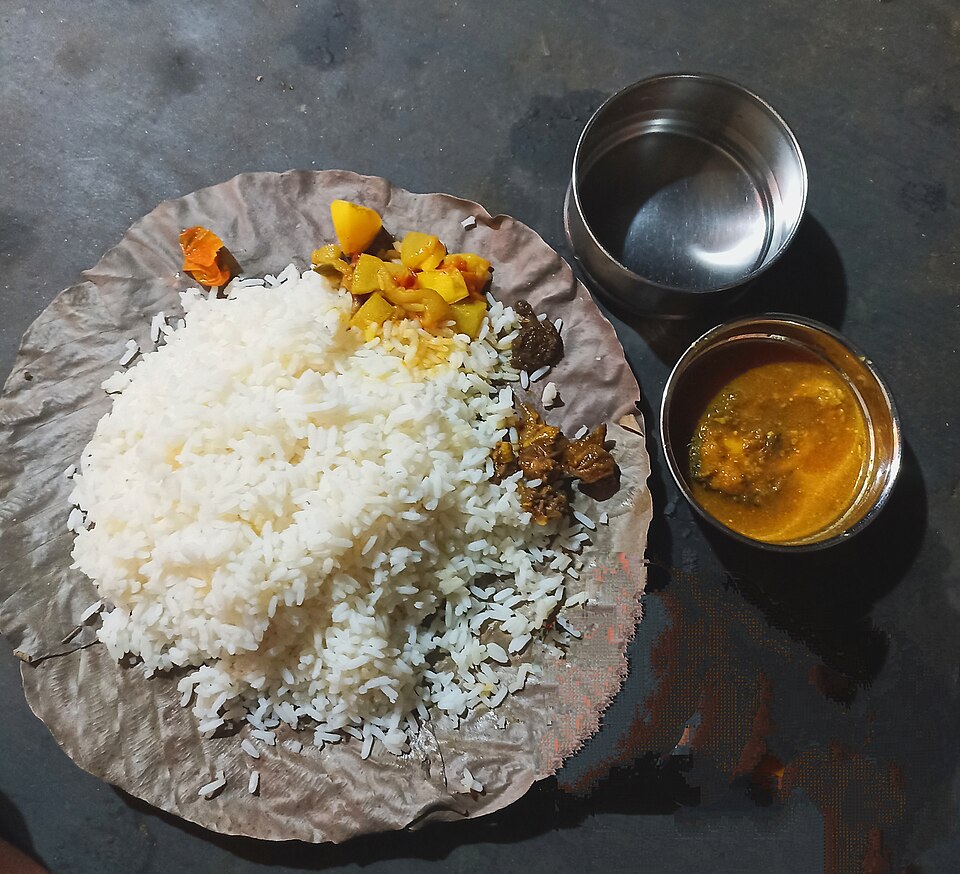
The idea of an “anti-inflammatory diet” can sound intimidating, like you need to overhaul everything you eat. It doesn’t work that way. Anti-inflammatory eating is largely about the ingredients you cook with regularly: fatty fish over processed meat, olive oil over seed oils, turmeric and ginger as default seasonings, and leafy greens more nights than not.
These are dinners that happen to be anti-inflammatory, not health food that happens to also be edible.
Key Takeaways
- The most anti-inflammatory dinner ingredients are fatty fish (omega-3s), turmeric with black pepper (curcumin), ginger (gingerol), leafy greens (antioxidants), and olive oil (oleocanthal).
- Most of these recipes take under 30 minutes. Anti-inflammatory eating doesn’t require complicated cooking.
- Consistency across the week matters more than any single meal. Two or three of these per week, alongside reduced ultra-processed food, is enough to shift inflammation markers.
- The Mediterranean dietary pattern, which underlies most of these recipes, has the strongest evidence base of any dietary approach for reducing chronic inflammation.
What Makes a Dinner Anti-Inflammatory?
A dinner becomes anti-inflammatory when it’s built around ingredients that reduce, rather than promote, the inflammatory processes in your body. The key mechanisms are: providing omega-3 fatty acids (which compete with inflammatory omega-6s in cell membranes), delivering polyphenols and antioxidants (which neutralise free radicals), and avoiding refined carbohydrates and seed oils (which drive insulin spikes and inflammatory signalling).
You don’t need to hit every mechanism in every meal. Rotating through the recipes below gives you broad coverage across a week.
Turmeric and Ginger Salmon with Roasted Sweet Potato
This is the dinner that covers the most anti-inflammatory ground in a single plate. Salmon provides EPA and DHA omega-3s. Turmeric provides curcumin (especially effective against inflammation when paired with black pepper). Ginger adds gingerol, which inhibits inflammatory enzymes. Sweet potato is low-glycemic and rich in beta-carotene.
What you need (serves 2): 2 salmon fillets, 2 medium sweet potatoes (cubed), 1 tbsp olive oil, 1 tsp ground turmeric, 1 tsp freshly grated ginger, 1 garlic clove (minced), squeeze of lemon, generous pinch of black pepper, salt.
How to make it: Toss sweet potato cubes in olive oil, salt, and a pinch of turmeric. Roast at 200°C for 25 minutes. Mix remaining turmeric, ginger, garlic, lemon, black pepper, and a drizzle of olive oil. Coat salmon fillets and bake for 12 to 15 minutes, or pan-fry 4 minutes per side. Serve over the roasted sweet potato with a handful of wilted spinach alongside.
Why black pepper with turmeric matters: piperine, the active compound in black pepper, increases curcumin absorption by up to 2,000% by inhibiting the enzyme that clears it from the bloodstream.
Lemon Turmeric Chicken with Chickpeas and Kale
Chicken thighs (skin-on) are higher in glycine-rich connective tissue than breast, which supports collagen synthesis. Chickpeas add zinc and fibre. Kale brings quercetin, one of the most studied anti-inflammatory flavonoids.
What you need (serves 4): 4 chicken thighs (bone-in, skin-on), 1 tin chickpeas (drained), 1 large bunch kale (stems removed), 3 garlic cloves, juice and zest of 1 lemon, 2 tsp turmeric, 1 tsp smoked paprika, 2 tbsp olive oil, salt, black pepper.
How to make it: Season chicken with turmeric, paprika, salt, and pepper. Brown skin-side down in olive oil for 5 minutes. Flip, add garlic, chickpeas, and a splash of water. Cover and cook 20 minutes over medium heat. Add kale in the last 5 minutes, stir until wilted. Finish with lemon juice and zest.
Miso-Glazed Salmon with Brown Rice and Edamame
Miso is a fermented food that provides probiotics supporting gut microbiome diversity, which in turn reduces systemic inflammation through the gut-skin axis. Salmon and edamame together provide omega-3s and plant protein. Brown rice is a lower-glycemic base than white rice.
What you need (serves 2): 2 salmon fillets, 2 tbsp white miso paste, 1 tbsp mirin (or rice wine vinegar), 1 tsp sesame oil, 1 cup brown rice (cooked), 1 cup edamame (shelled), 1 tsp sesame seeds, sliced spring onion.
How to make it: Mix miso, mirin, and sesame oil. Coat salmon and marinate 15 minutes. Grill or bake at 200°C for 12 to 15 minutes. Serve over brown rice with edamame, sesame seeds, and spring onion.
Lentil and Spinach Dal with Turmeric
This is the anti-inflammatory meal that requires the least effort. Lentils provide zinc, fibre, and prebiotic compounds that feed beneficial gut bacteria. Spinach brings iron and magnesium. Turmeric and cumin are standard dal spices that also happen to be among the most studied anti-inflammatory compounds in food.
What you need (serves 4): 250g red lentils, 1 large tin crushed tomatoes, 400ml water or vegetable broth, 1 large onion (diced), 3 garlic cloves (minced), 1-inch ginger (grated), 2 tsp turmeric, 1 tsp cumin, 1 tsp coriander, 2 tbsp olive oil, 2 large handfuls spinach, salt, black pepper, lemon juice.
How to make it: Sauté onion in olive oil 5 minutes. Add garlic, ginger, and spices; cook 2 minutes. Add lentils, tomatoes, and water. Simmer 20 minutes until lentils are soft. Stir in spinach and lemon juice. Adjust seasoning.
Garlic Ginger Stir-Fried Greens with Tofu
For plant-based dinners, this covers anti-inflammatory ground quickly. Tofu provides protein and isoflavones (which have mild anti-inflammatory properties). Garlic contains allicin and quercetin. Ginger adds gingerol. Broccoli and bok choy provide glucosinolates and vitamin C.
What you need (serves 2): 300g firm tofu (pressed and cubed), 1 head broccoli (florets), 2 heads bok choy (halved), 3 garlic cloves (sliced), 1-inch fresh ginger (julienned), 2 tbsp soy sauce, 1 tbsp sesame oil, 1 tsp rice vinegar, chilli flakes (optional), cooked brown rice or soba noodles.
How to make it: Pan-fry tofu in a little sesame oil until golden, about 5 minutes per side. Remove and set aside. In the same pan, add garlic and ginger and stir-fry 1 minute. Add broccoli and bok choy with a splash of water. Cook 3 to 4 minutes until just tender. Return tofu, add soy sauce and rice vinegar, toss. Serve over rice or noodles.
Sardine and Tomato Pasta with Olive Oil
Sardines are one of the most omega-3-dense foods available. Tinned sardines are convenient, inexpensive, and pair naturally with pasta. Tomatoes (especially cooked) provide lycopene, a carotenoid with documented anti-inflammatory properties.
What you need (serves 2): 2 tins sardines in olive oil, 200g wholegrain spaghetti, 1 tin crushed tomatoes, 3 garlic cloves (sliced), 1 tsp chilli flakes, handful of parsley, lemon juice, salt.
How to make it: Cook pasta. In a pan, fry garlic and chilli in olive oil from the sardine tin 2 minutes. Add crushed tomatoes; simmer 10 minutes. Break sardines into the sauce and heat through. Toss with pasta, parsley, and lemon juice.
Building the Habit
The goal isn’t to make every dinner perfect. It’s to get two or three anti-inflammatory dinners into your week as a default, alongside reducing takeaways and processed meals. The research on the Mediterranean dietary pattern, which underlies most of these recipes, consistently shows benefits for inflammation, cardiovascular health, and skin quality: not from any single meal but from the pattern accumulated over months.
Cook what you’ll actually cook again next week. Consistency beats perfection.